
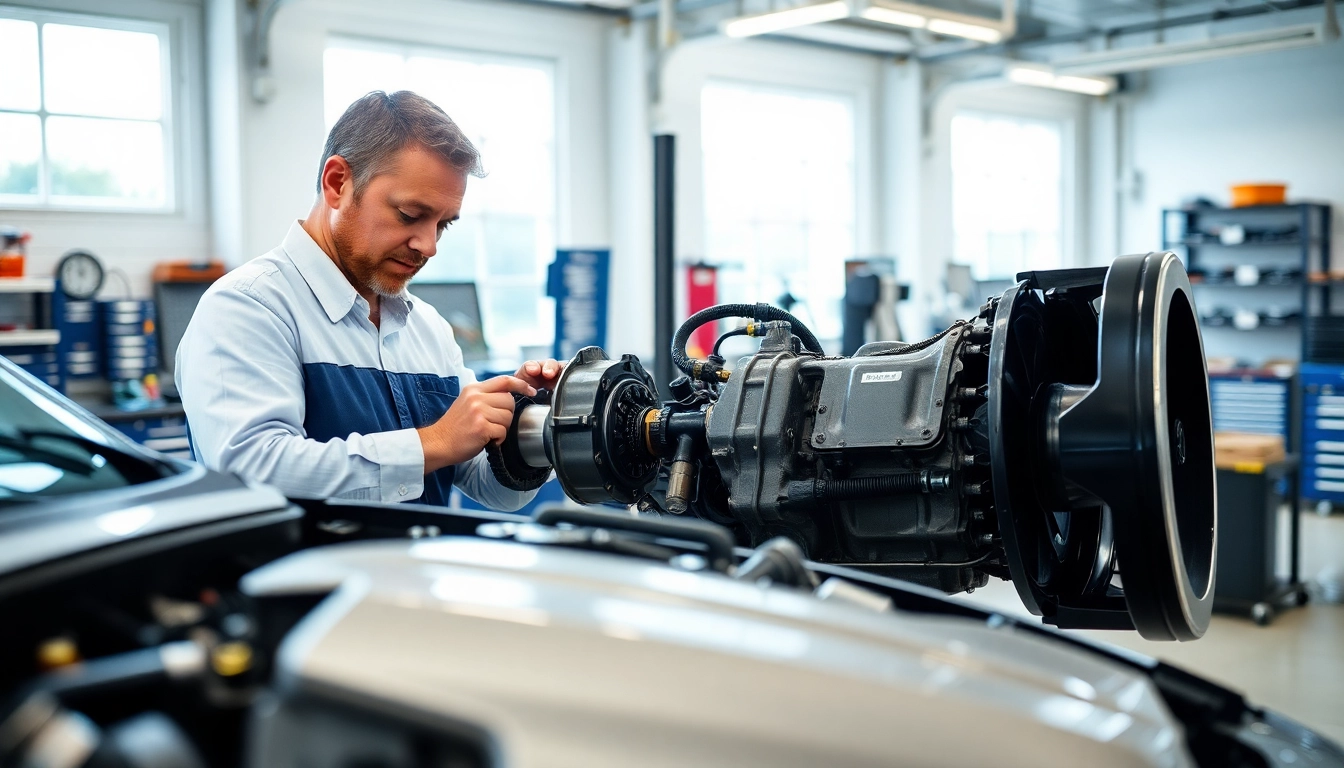
Understanding Powertrain Extended Warranty: Key Insights and Benefits
For car owners, the reliability of their vehicle is paramount. One way to ensure your vehicle remains protected against unforeseen mechanical failures is through a powertrain extended warranty. This article delves deep into the intricacies of powertrain extended warranties, including what they cover, their benefits, and factors influencing their cost. Understanding these aspects will help you make informed decisions regarding vehicle protection plans.
What is a Powertrain Extended Warranty?
A powertrain extended warranty is a service contract that covers major components of a vehicle’s powertrain, which includes the engine, transmission, and drivetrain. This type of warranty extends the manufacturer’s warranty, providing additional time and mileage protection against failures and repairs.
Definition of Powertrain Components
The powertrain includes several crucial elements that drive the car. Specifically, this includes:
- Engine: The vehicle’s heart, responsible for converting fuel into motion.
- Transmission: Transfers power from the engine to the wheels, playing a crucial role in performance.
- Drivetrain: Comprising components that deliver power to the wheels, including the driveshaft, differential, and axles.
- Transfer case: In all-wheel-drive and four-wheel-drive vehicles, it distributes power to the front and rear axles.
Benefits of Extended Coverage
The primary advantage of a powertrain extended warranty is financial protection. Here are some key benefits:
- Cost Savings: Repairs on powertrain components can be extremely expensive. A warranty can save you significant out-of-pocket costs.
- Peace of Mind: Knowing you are covered in case of a mechanical failure lets you drive without worrying about repairs.
- Transferable Coverage: If you sell your vehicle, the warranty can be transferred to the new owner, enhancing the vehicle’s resale value.
How It Differs from Other Warranties
Powertrain warranties typically focus on the core functional mechanics of the vehicle, while other warranties, such as bumper-to-bumper warranties, cover a wider range of components including electrical systems, interiors, and more. The duration and extent of coverage also differ; powertrain warranties usually last longer but provide coverage for fewer components than comprehensive vehicle warranties.
Key Components Covered Under Powertrain Extended Warranty
Understanding the specific components covered under this warranty can help you appreciate its importance.
Engine Coverage Details
Engine repairs can be the most costly, making them a priority for coverage. A powertrain extended warranty typically covers:
- Engine block and cylinder heads
- Fuel system components, including injectors and pumps
- Cooling system parts
- Valves and lifters
- Oil pans and gaskets
Transmission and Drivetrain Protection
Transmission repairs can also be expensive. Coverage generally includes:
- Transmission case and internal parts
- Torque converter
- Driveshaft and CV joints
- Differential components
- Transfer case (for 4WD or AWD vehicles)
Other Essential Parts Included
Aside from the engine and transmission, powertrain extended warranties may also cover:
- Fuel tank and fuel pumps
- Timing belt and water pump
- Lubrication systems
- Exhaust manifold
This extensive coverage underscores the importance of having a powertrain extended warranty, especially for those who intend to keep their vehicles for a long time.
Costs and Pricing of Powertrain Extended Warranty
The cost of a powertrain extended warranty can vary vastly based on several factors, including vehicle make and model, age, and warranty provider.
Average Costs Compared to Other Warranties
On average, powertrain extended warranties are priced between $600 and $750 per year. In comparison, bumper-to-bumper warranties can range from $1,000 to $1,500 annually. The more limited scope of coverage is one reason for the lower cost of powertrain warranties.
Factors Influencing Pricing
Several factors can influence the cost of a powertrain extended warranty:
- Vehicle Age and Mileage: Older vehicles or those with higher mileage may incur higher prices due to increased risk.
- Deductibles: Plans with lower deductibles typically cost more.
- Coverage Duration: Longer warranty periods will generally command higher premiums.
- Provider Reputation: Established providers may charge more due to their service record.
Understanding Deductibles
Deductibles are the out-of-pocket expenses you’ll pay for a claim. Powertrain extended warranties typically offer various deductible options. Higher deductibles may lower the overall premium, but they can lead to greater upfront costs during a repair.
Is a Powertrain Extended Warranty Worth It?
Deciding whether to invest in a powertrain extended warranty involves evaluating several factors, including expected repair costs and your vehicle ownership plans.
Evaluating Potential Repair Costs
To determine if the warranty is worth it, consider common repair costs associated with powertrain components. For example, engine repairs can range anywhere from a few hundred to several thousand dollars, while transmission repairs can also be quite costly. If you drive long distances or plan to keep the vehicle longer, it may be wise to invest in extended coverage.
Consumer Experiences and Testimonials
Many consumers report that having a powertrain warranty has saved them significant repair costs. Reviews often highlight cases where costly repairs were covered, reinforcing the value of having such a warranty in place.
Long-Term Vehicle Ownership Considerations
If you plan on keeping your vehicle for an extended period, a powertrain extended warranty can offer financial protection that could come in handy as your vehicle ages. Many powertrain components may suffer wear and tear, leading to failures that a warranty can cover.
Frequently Asked Questions About Powertrain Extended Warranty
What is covered in a powertrain extended warranty?
A powertrain extended warranty covers essential components such as the engine, transmission, and drivetrain, extending protection against mechanical failures beyond the manufacturer’s warranty.
Is it worth it to buy a powertrain warranty?
Yes, a powertrain warranty can be worthwhile for those seeking protection against costly repairs, particularly for vehicles prone to significant mechanical issues over time.
How much is a powertrain extended warranty?
The average cost of a powertrain extended warranty ranges from $600 to $750 per year, which is typically less than comprehensive bumper-to-bumper warranties.
Can you extend your powertrain warranty?
Yes, many manufacturers and aftermarket providers offer options to extend a powertrain warranty for vehicles that are still under their original coverage.
How to make a claim on your warranty?
To make a claim, typically you need to contact the warranty provider, provide necessary documentation, and authorize the repair shop to proceed with covered repairs as per the warranty terms.