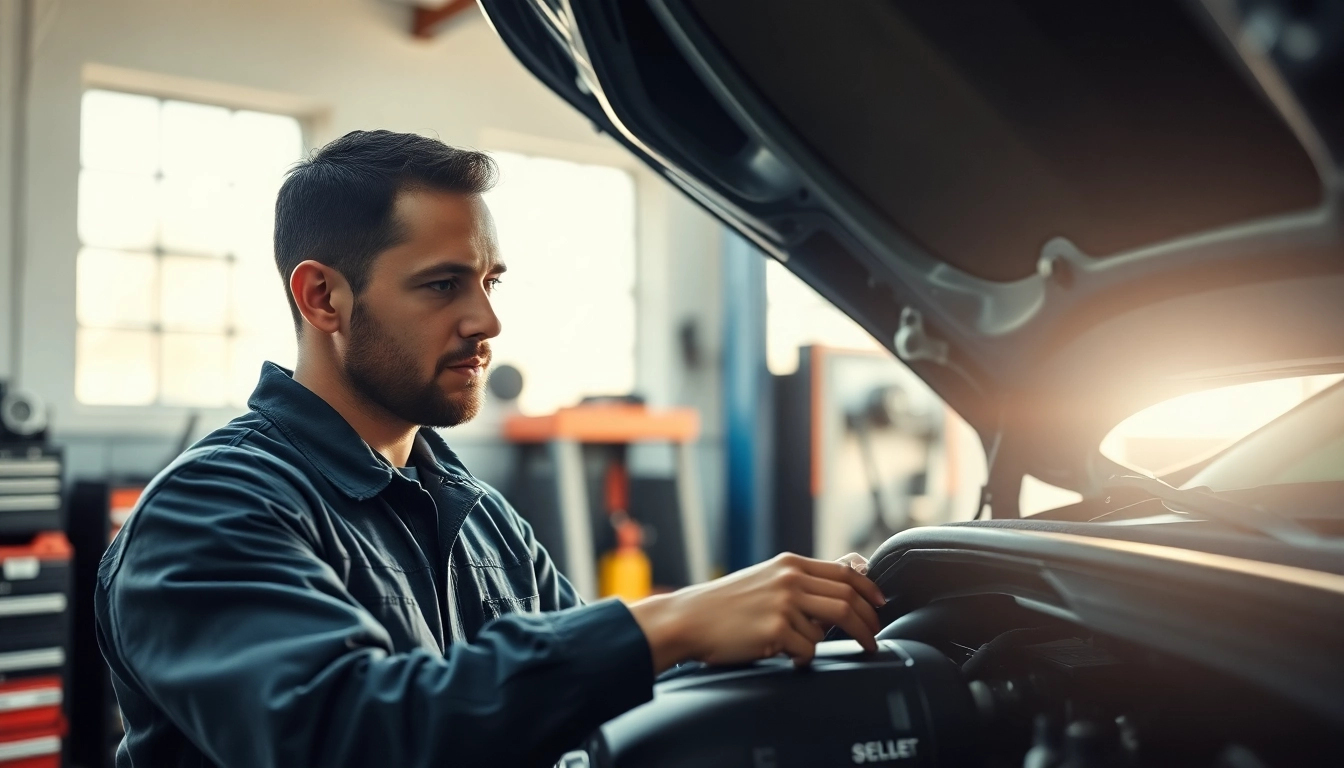

Understanding Powertrain Extended Warranty
What is a Powertrain Extended Warranty?
A powertrain extended warranty is a form of vehicle protection plan designed to cover essential components of a car’s powertrain beyond the standard warranty period provided by the manufacturer. The powertrain of a vehicle includes the engine, transmission, and drivetrain – the parts that deliver power to the wheels. Unlike bumper-to-bumper warranties, which cover a wide range of issues, powertrain warranties specifically target these crucial mechanical systems, offering peace of mind to vehicle owners who want to safeguard against potential costly repairs. Typically, powertrain extended warranties can last for an extended period, often 5 to 10 years or up to a specified mileage typically between 60,000 to 100,000 miles, depending on the vehicle and the specific policy.
Key Components Covered
Understanding what is included in a powertrain extended warranty is essential for making informed decisions. The primary components typically covered by this type of warranty include:
- Engine: This includes major components such as the engine block, cylinder heads, pistons, and timing belts, which are integral to the vehicle’s performance.
- Transmission: Coverage includes automatic and manual transmissions, which are critical for transferring power from the engine to the wheels.
- Drivetrain: This encompasses axles, drive shafts, and differentials that are necessary for vehicle propulsion.
Some warranties may also include coverage for the turbocharger, supercharger, and sometimes even the fuel system, depending on the specific plan. It is crucial for consumers to review the details of each warranty to understand exactly what is and isn’t covered.
Importance of Powertrain Extended Warranty
Investing in a powertrain extended warranty can be beneficial for several reasons:
- Cost Protection: The complexity and cost of powertrain repairs can be exorbitant. For example, an engine replacement can cost several thousand dollars, and having a warranty could save you from these unexpected expenses.
- Increased Resale Value: Vehicles with extended warranties may have a higher resale value as buyers often prefer cars that offer additional coverage.
- Peace of Mind: Knowing that major repairs are covered enables drivers to enjoy their vehicles without the stress of potential financial burdens from breakdowns.
By offering essential protection for vital components, the powertrain extended warranty can act as a safety net, freeing vehicle owners from the worry that comes with potential powertrain failures.
Evaluating Your Need for a Powertrain Extended Warranty
Who Should Consider This Warranty?
While a powertrain extended warranty may seem like a practical choice for any car owner, it’s particularly beneficial for certain groups:
- High Mileage Drivers: If you frequently drive long distances or have a high annual mileage, the likelihood of encountering powertrain issues increases.
- Used Car Buyers: Purchasing a used vehicle that no longer has the original warranty can leave you vulnerable to major repair costs, making an extended warranty a wise investment.
- Owners of Older Vehicles: As cars age, they are more prone to mechanical failures. An extended warranty provides a safety net as the vehicle ages.
Before purchasing coverage, vehicle owners should assess their driving habits, vehicle age, and overall reliability of their model.
Common Issues Covered
Powertrain extended warranties often cover a range of common issues that arise in the crucial components of a vehicle. Some of these issues may include:
- Engine failure due to mechanical defect or wear and tear.
- Transmission slipping or completely failing, which could impair the vehicle’s ability to change gears.
- Drivetrain failures that could cause loss of power delivery to the wheels.
- Oil leaks and overheating issues that can lead to significant engine damage if not resolved promptly.
Each warranty plan will differ, but generally speaking, they are designed to cover mostly mechanical failures rather than routine maintenance or wear and tear items like brake pads or tires.
Cost vs. Benefits Analysis
When considering a powertrain extended warranty, performing a cost-benefit analysis is vital. The cost of a powertrain warranty can vary based on factors such as vehicle make, model, and the extent of coverage offered. Here are some key considerations:
- Cost of Repairs: Evaluate the likelihood of needing repairs by researching historic reliability ratings for your vehicle model. If repairs are known to be costly, a warranty may save you money in the long run.
- Warranty Costs: Compare the annual cost of the warranty against your immediate repair costs. Many plans can cost between $500 to $1,500 annually, depending on the factors previously mentioned.
- Peace of Mind: Non-tangible benefits, such as the comfort of knowing you’re protected from substantial repair bills, should also be factored into your analysis.
Ultimately, having a warranty can enhance your vehicle ownership experience by safeguarding against financial surprises.
How to Choose the Best Powertrain Extended Warranty
Factors to Consider
Not all powertrain extended warranties are created equal. Here are critical factors to consider when evaluating your options:
- Coverage Details: Thoroughly read what is covered and what isn’t. Coverage should include all major components and common failure points.
- Deductibles: Understand the deductibles that apply to claims. Some plans may provide lower premiums but include higher deductibles.
- Claim Process: Research how claims are processed—know how easy or difficult it can be to access your benefits.
- Customer Reviews: Look at customer testimonials to gauge the provider’s reputation in the market for handling claims and customer service.
Comparing Different Offers
When comparing different powertrain extended warranty offers, utilize a detailed checklist to ensure you’re choosing the best plan for your needs:
- Compare premium amounts and how they correlate with the coverage levels.
- Evaluate the length of the contract and its mileage limits.
- Look for exclusions or limitations that could affect your warranty’s effectiveness.
Utilizing a comparative approach can help highlight what plan best suits your vehicle and budget, ensuring you make an informed decision.
Brokers vs. Direct Purchasing
When it comes to purchasing a powertrain extended warranty, customers have the option to go through a broker or purchase directly from the warranty provider. Here are the pros and cons of each:
- Using a Broker: They may have access to various warranty plans and can help simplify the comparison process. However, brokers may charge service fees, impacting the overall cost.
- Direct Purchasing: This often provides a straightforward process with potentially lower costs, but can limit choices or make it challenging to compare several plans effectively.
Ultimately, the choice will depend on your comfort level with the purchasing process and the specific warranty offerings.
Claims Process for Powertrain Extended Warranty
Step-by-Step Claim Submission
Submitting a claim under a powertrain extended warranty typically involves several steps:
- Contact the Warranty Provider: Notify your warranty provider as soon as you become aware of a potential claim.
- Gather Necessary Documentation: Collect all relevant documents, including service records, repair estimates, and proof of coverage.
- Follow the Claims Process: Adhere to the warranty provider’s submission guidelines and provide any requested information promptly.
- Await Claim Approval: Once submitted, the provider will review and determine if the repair is covered. This process can take several days.
- Complete Repairs: If approved, you may proceed with the repairs as outlined in your warranty coverage.
Being organized and timely in your communication can significantly enhance your claims experience.
Common Rejections and How to Avoid Them
While powertrain extended warranties offer substantial protection, claims can sometimes be denied. Here are common reasons for rejections and suggestions for avoiding these pitfalls:
- Pre-existing Issues: Ensure all vehicle issues are reported while the warranty is in effect. Failure to do so can lead to claim denials.
- Failure to Maintain: Provide proof of maintenance performed per the warranty’s requirements, as lack of maintenance can invalidate claims.
- Exceeding Coverage Limits: Understand the mileage limits of your plan. Exceeding these can lead to automatic claim rejections.
Maintaining thorough records and adhering to warranty guidelines can help safeguard against these issues.
Tips for a Smooth Experience
Ensuring a smooth experience with your powertrain extended warranty can greatly improve your satisfaction with the service. Consider the following tips:
- Read Your Policy Thoroughly: Understanding the ins and outs of your warranty will prepare you for any potential claims.
- Stay Organized: Keep all repair documents and proof of service in a dedicated file so you can easily access them during the claims process.
- Communicate Clearly: When contacting your warranty provider, be clear and concise about the issues you’re experiencing to minimize back-and-forth queries.
Being proactive about your rights and responsibilities under the warranty can significantly ease the claims experience.
Frequently Asked Questions About Powertrain Extended Warranty
What is covered in a powertrain extended warranty?
A powertrain extended warranty covers key components such as the engine, transmission, and drivetrain, providing vital protection against significant repair costs.
Is purchasing a powertrain warranty worth it?
It can be worthwhile if you want coverage for expensive components and enjoy peace of mind regarding potential mechanical failures that could arise.
Can I extend my powertrain warranty after it expires?
Most manufacturers do not allow extensions on powertrain warranties once they have expired. It’s crucial to purchase an extension before your original warranty ends.
How long does a powertrain extended warranty last?
Powertrain extended warranties typically last anywhere from 5 to 10 years or a specific mileage limit, such as 60,000 to 100,000 miles, depending on the plan you choose.
Are there any exclusions in powertrain extended warranties?
Yes, exclusions may include routine maintenance, wear-and-tear items like brake pads, and damage caused by accidents. Always read the contract for specifics.