
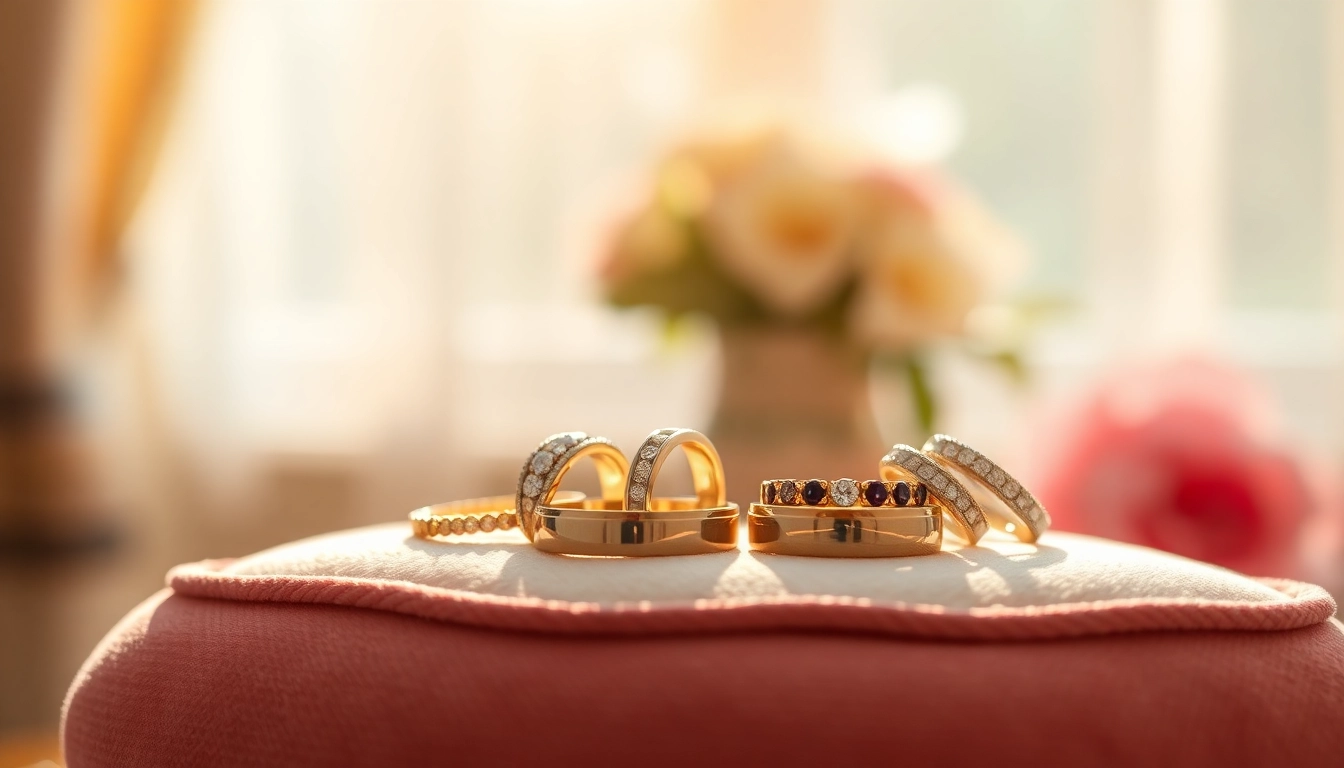
Understanding Wedding Bands: A Symbol of Love
The History and Meaning of Wedding Bands
Wedding bands have been a symbol of love and commitment throughout history, with roots tracing back to ancient Egypt. The Egyptians believed that the circle of the ring represented eternity, a symbol of unending love. Initially made from materials like reeds and leather, wedding bands have evolved significantly, reflecting cultural and personal values.
The tradition continued into ancient Rome, where couples exchanged simple gold bands during ceremonies. These bands signified not just love but also a woman’s status as married. Over time, wedding bands have taken on various meanings in different cultures, but their essence remains the same—a tangible representation of devotion. Today, many couples choose to wear matching wedding bands to signify their unity and partnership.
Different Styles of Wedding Bands
Today’s wedding bands come in a myriad of styles to reflect personal tastes and preferences. Classic options include plain metal bands, often made of gold or platinum. Meanwhile, more contemporary designs feature intricate details, such as milgrain edges, mixed metals, and even personalized engravings that tell a couple’s unique story.
For those who prefer something bolder, styles incorporating gemstones have gained popularity. These bands may feature a single stone, like a diamond or sapphire, or have a full eternity ring of smaller stones that symbolize everlasting love. The choice of style often reflects the couple’s shared values, lifestyle, and aesthetic preferences.
The Role of Wedding Bands in Modern Ceremonies
In modern wedding ceremonies, wedding bands play a critical role in sealing the commitment made between partners. Traditionally exchanged during the vows, these rings signify the couple’s promise to love and cherish each other. Today, many couples opt for personalized ceremonies, where they may include unique rituals that reflect their backgrounds and relationship.
As couples are increasingly embracing individuality, it’s common to see variations in how wedding bands are presented and exchanged. Whether it’s through unique rituals or creative vows, the essence of wedding bands remains rooted in the profound commitment they represent.
Choosing the Right Wedding Bands
Factors to Consider When Selecting Wedding Bands
Selecting the perfect wedding band requires careful consideration of various factors. First, couples should determine the style that both partners will feel comfortable wearing. Preferences may vary; one partner may prefer a classic band while the other leans towards something modern. Additionally, it’s important to consider practical aspects like lifestyle—active individuals may prefer bands that are more durable and less prone to scratching.
Another crucial factor is the band’s metal composition. Different metals have varying durability levels, which can impact long-term wear. Gold, platinum, and titanium all offer benefits, but each comes with its distinct look and feel. Ultimately, discussing preferences openly helps ensure both partners are satisfied with their choice.
Personalization Options for Wedding Bands
Personalization can enhance the significance of wedding bands, making them utterly unique to each couple. Options include choosing custom designs, adding engravings, or selecting gemstones that hold special meaning. Many couples opt to engrave their wedding bands with initials, significant dates, or phrases that resonate deeply with their love story.
Beyond engravings, custom designs can ensure the wedding bands stand out from the conventional styles. Couples often collaborate with jewelry designers, allowing for creativity without sacrificing tradition. Personalization not only embodies the couple’s love but can also create a family heirloom that can be passed down through generations.
Budgeting for Your Wedding Bands
Budgeting for wedding bands is a crucial step in the planning process. Couples should start by conducting research on the average costs of different styles and materials to set realistic expectations. Wedding bands can vary greatly in price depending on craftsmanship, metal type, and any personalization features.
It’s essential to prioritize which elements are most important—whether it’s the metal, style, or gemstones. Once couples determine their budget, shopping with that limit in mind can streamline the process and prevent financial stress. Remember to explore a variety of retailers, as prices may fluctuate widely, and sales can lead to significant savings.
Materials and Their Significance in Wedding Bands
Popular Metals Used in Wedding Bands
When it comes to wedding bands, the material used plays a vital role in both aesthetics and longevity. Commonly selected metals include gold, platinum, palladium, and titanium. Each material offers distinct characteristics. Gold is favored for its beautiful luster and tradition but can be prone to scratches. Platinum is robust and hypoallergenic, making it ideal for sensitive skin but is generally more expensive.
Palladium, similar in appearance to platinum, is a more affordable alternative that doesn’t tarnish. Meanwhile, titanium is known for its exceptional strength and lightness, often appealing to those seeking durability without compromising style. Couples should choose based on not only appearance but also comfort and longevity.
The Importance of Gemstones in Wedding Bands
Gemstones can add a unique touch to wedding bands, enhancing both their visual appeal and the emotional significance they carry. Diamonds are traditionally popular, but colored gems such as sapphires, emeralds, and rubies are increasingly favored for their individuality. Choosing a gemstone that resonates with the couple’s identity can deepen the meaning behind the wedding bands.
Moreover, the inclusion of gemstones can symbolize different qualities in a relationship; for example, sapphires are often associated with wisdom, while emeralds symbolize loyalty. This allows couples to reflect their journey and aspirations through their choice of stones.
Comparing Durability and Care for Wedding Bands
Durability is crucial for wedding bands, particularly as they are worn daily. Factors such as metal type, thickness, and the presence of gemstones play significant roles in a ring’s longevity. It’s important for couples to consider their lifestyle during selection, as those with active jobs or hobbies may require a more robust band.
Caring for wedding bands is also essential for maintaining their beauty. Regular cleaning and routine checks by a professional jeweler can help prevent damage. Couples should also be mindful of exposure to harsh chemicals and environments, which can tarnish or scratch the band over time. Understanding these care tips will ensure that wedding bands remain treasured symbols for many years to come.
Finding the Perfect Fit for Wedding Bands
How to Measure for Wedding Bands
Finding the perfect fit for wedding bands is vital for comfort and security. The best way to measure is by using a ring sizer, which can be found at many jewelers. Alternatively, couples can use a piece of string or a strip of paper, wrapping it around the base of the finger and marking where it overlaps.
However, it’s essential to measure the finger at the end of the day when it’s likely to be at its largest. Temperature can also affect ring size, so it’s best to avoid measuring when fingers are cold or swollen. This practice helps ensure the rings stay securely in place without causing discomfort.
Sizing Tips for Comfort and Security
In addition to determining the correct size, factors like comfort and everyday wear should also be considered. Some band styles may fit tighter due to their width or shape. Couples are encouraged to try on different styles to assess comfort during movement.
Rings that are too tight can cause discomfort, while those that are too loose may risk slipping off. Opting for slightly wider bands can offer a more secure fit as they tend to sit more comfortably on the finger. Consulting a jeweler during the selection process can provide valuable insights on how different styles fit and wear throughout the day.
Understanding Resizing Options for Wedding Bands
Although choosing the right size is crucial, many couples may find the need to resize their wedding bands in the future due to changes in weight or lifestyle. Most jewelers offer resizing services, which is a common solution. For rings made from some metals, resizing may be easier than others; for instance, gold can often be adjusted easily while titanium is more challenging.
Couples should inquire about resizing policies before making a purchase, as some rings may require specific techniques that affect their design integrity. Discussing options with a jeweler can provide clarity on the best approach to ensure the ring remains a perfect fit for life.
Maintaining Your Wedding Bands for Longevity
Cleaning and Caring for Wedding Bands
Proper care and maintenance are essential for preserving the beauty and integrity of wedding bands. Regular cleaning can help remove dirt, oils, and tarnish that accumulate over time. For most metals, mild soap and warm water with a soft brush are sufficient, while ultrasonic cleaners can be used for deeper cleanings without harming the jewelry.
Additionally, professionals recommend having wedding bands checked annually to ensure that stones are secure and the band is not showing signs of wear. This proactive approach can prevent more significant issues while maintaining the rings’ aesthetic appeal.
When to Get Wedding Bands Professionally Checked
Timing for professional check-ups can vary based on wear, but it’s generally recommended once a year. Couples who engage in physical activities that may put their rings at risk should consider more frequent evaluations. Signs that a ring may need professional attention include loose stones, scratches, or discoloration.
Getting wedding bands professionally checked ensures that any potential issues are identified early, allowing for timely repairs and helping maintain the ring’s shine and structural integrity over time.
Preserving the Shine and Integrity of Wedding Bands
To preserve the shine of wedding bands, it’s essential to avoid exposing them to harsh chemicals or extreme conditions, which can deteriorate the metal and gemstones. When performing tasks that involve heavy lifting or using chemicals, consider removing the rings to avoid damage.
Storing wedding bands properly when not in use can also help maintain their integrity. Keeping them in a fabric-lined box or a dedicated jewelry case prevents scratches and keeps the rings safe. Following these care tips will ensure that wedding bands remain stunning and cherished symbols of commitment for life.
FAQs About Wedding Bands
What is the best material for wedding bands?
The best material depends on personal preference and lifestyle. Gold, platinum, and titanium are popular, each offering unique benefits. Choose according to durability, weight, and style preferences.
How much should we budget for wedding bands?
Budgeting varies widely but aim to spend 3-5% of your total wedding budget on wedding bands. Prices range from hundreds to thousands of dollars depending on style, material, and any custom features.
Can wedding bands be resized?
Yes, most wedding bands can be resized. However, some materials, like titanium, may require special techniques to adjust. Always ask your jeweler about resizing options before purchasing.
How should we clean our wedding bands?
Cleaning wedding bands can be done with warm soapy water and a soft brush. Regular cleanings will help maintain their shine and remove dirt without damaging the metal or stones.
What if my wedding band doesn’t fit after the wedding?
If your wedding band doesn’t fit after the wedding, consult a jeweler about resizing options. It’s common for rings to require adjustments due to weight changes over time.