
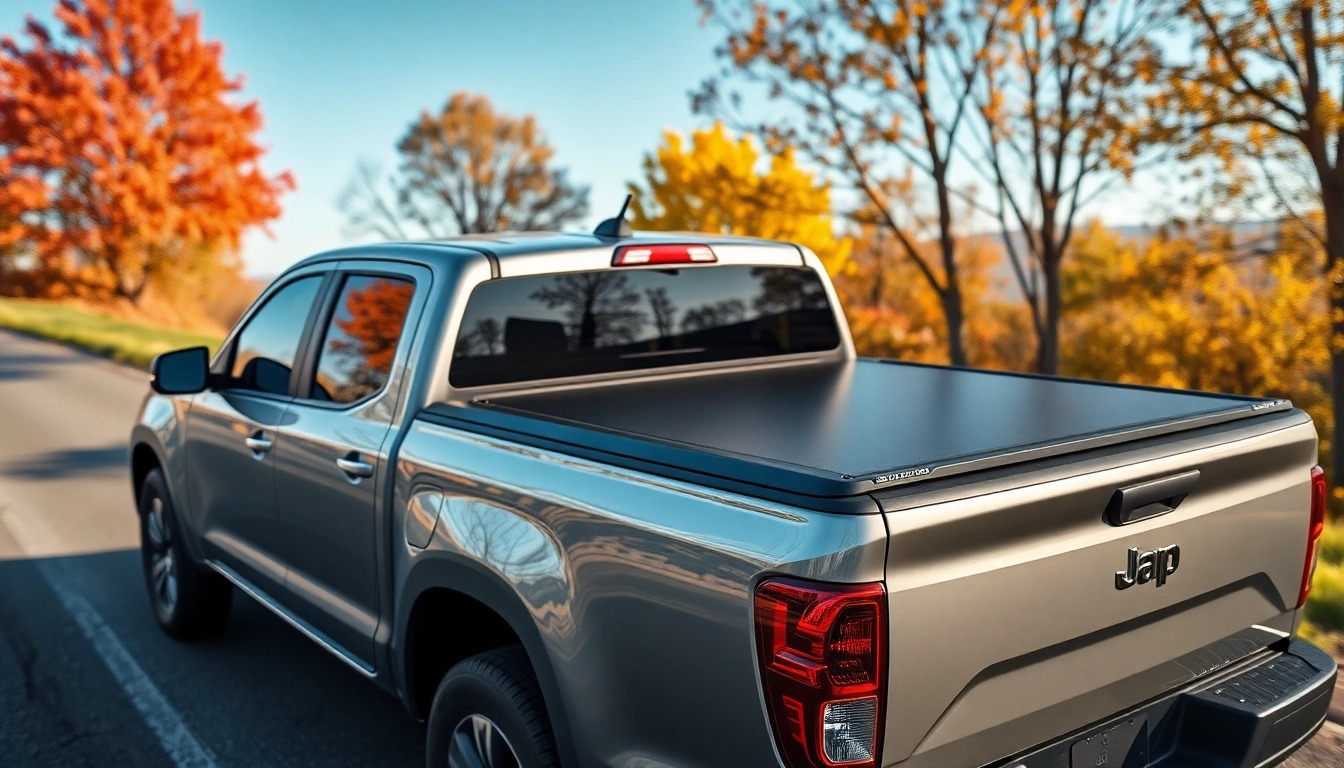
Understanding Tonneau Covers
What Is a Tonneau Cover?
A tonneau cover is a protective cover designed to shield a truck’s cargo area, often referred to as the bed. These covers serve a variety of purposes, from improving aerodynamics and fuel efficiency to protecting belongings from the elements and theft. Tonneau covers come in numerous styles, materials, and mechanisms, providing truck owners with a range of options to suit their needs. Understanding what a tonneau cover offers is crucial for making an informed purchasing decision.
Benefits of Using a Tonneau Cover
Investing in a tonneau cover presents numerous advantages. Here are some of the most significant benefits:
- Enhanced Security: Tonneau covers primarily protect cargo from theft and unauthorized access. When your truck bed is covered, it becomes less attractive to thieves.
- Weather Protection: Rain, snow, or UV light can be detrimental to vulnerable items in your truck bed. A tonneau cover serves as a barrier against these environmental factors.
- Improved Aerodynamics: By creating a smooth surface over the truck bed, tonneau covers reduce drag. This can lead to better fuel efficiency, often improving miles per gallon.
- Versatile Usage: Many tonneau covers offer easy access options, enabling users to switch between a covered and uncovered cargo bed depending on their needs.
- Enhanced Aesthetics: Tonneau covers can improve the look of a truck, giving it a sleeker and more polished appearance.
Types of Tonneau Covers
Tonneau covers come in various styles and materials, each with its unique attributes. The most common types include:
- Soft Roll-up Covers: These are lightweight and typically made from vinyl or fabric. They can be rolled up to access the truck bed easily.
- Hard Folding Covers: Made from materials like aluminum or fiberglass, these covers provide superior security and durability. They can fold up for easy access while still covering part of the bed.
- Retractable Covers: These are versatile options that slide open and closed, allowing for full access to the truck bed. They often include a locking mechanism for security.
- Snap Covers: These models use a series of snaps to secure the cover to the truck bed. They are generally cheaper but may lack the durability of hard options.
- One-Piece Covers: Rigid, one-piece tonneau covers offer the highest level of security but may limit accessibility to the cargo area.
Finding the Perfect Fit
Measuring Your Truck Bed
To find the right tonneau cover for your truck, precise measurements of the truck bed are essential. Begin by measuring the length of the bed from the bulkhead (the wall at the front of the bed) to the tailgate. Make sure to note the width of the narrower side, as different truck makes can have varied dimensions. Always refer to your vehicle’s owner manual for exact specifications before making a purchase.
Matching the Tonneau Cover with Your Truck Type
Compatibility between your chosen tonneau cover and your truck model is critical. Truck beds differ not only in size but also in design and mounting methods, including grommets, clamps, or rails. Ensure that the tonneau cover is labeled to fit your truck’s make and model to avoid fitment issues.
Common Fitment Issues
Some common fitment problems that truck owners may encounter include:
- Incompatibility with Bed Accessories: Items like toolboxes can interfere with tonneau cover installation. It’s vital to consider existing truck accessories before purchasing.
- Hinges and Tailgate Access: Some tonneau covers can obstruct tailgate functionality. Confirm that the model you choose allows for unhindered gate operation.
- Cover Height: The height of the tonneau cover can affect how well it seals against moisture, dust, and debris. Choose a design that matches your truck’s height specifications.
Installation Insights
Tools Needed for Installation
Whether you opt for a professional installation or DIY, having the right tools on hand is crucial for the job. Typical tools required for installing a tonneau cover include:
- Measure tape for accurate measurements.
- A socket wrench or screwdriver set for securing brackets and clamps.
- Utility knife for cutting and adjusting cover materials, if necessary.
- Cleaning supplies (e.g., cloth, alcohol wipes) to prepare the truck bed surface.
- Strong foam tape or adhesives, depending on the tonneau cover you select.
Step-by-Step Installation Guide
While installation instructions will vary by tonneau cover model, the following is a general guideline you can follow:
- Prepare your Truck Bed: Clean your truck bed thoroughly to avoid dirt or debris interfering with the installation.
- Measure and Mark: Use a measuring tape to mark the mounting points where the brackets will be attached.
- Install Brackets: Secure the mounting brackets according to the manufacturer’s instructions, ensuring they are tightly fastened.
- Attach the Cover: Depending on the tonneau cover type, either roll it out, fold it down, or position it on top of the brackets.
- Secure and Adjust: Finally, make any necessary adjustments to ensure that the cover aligns perfectly with the truck bed.
Professional Installation vs. DIY
Choosing between professional installation and DIY depends on personal preference and comfort with mechanical tasks. Professional installation may cost more but ensures accuracy and saves time. Those with basic DIY skills can often handle the task themselves with the right tools and instructions, benefiting from a sense of accomplishment and reducing overall costs.

Maintenance Tips for Longevity
Cleaning Your Tonneau Cover
Regular cleaning is vital to prolong the life of your tonneau cover. For soft covers, a gentle soap and water solution is usually sufficient. Hard covers may require more specific cleaning solutions to maintain their finish. Always follow the manufacturer’s cleaning recommendations to prevent damage.
Inspecting for Damage
Periodic inspections can help you catch and address any damage or wear before it escalates. Check for tears, fading, or loose seals. Address any issues promptly, as they can lead to more extensive repairs down the line.
Seasonal Care Advice
Seasonal changes can impact the integrity of your tonneau cover. In warmer months, ensure that the cover material is resistant to UV rays, while in winter, inspect for snow and ice buildup that could cause damage. Implement necessary actions based on the season to maintain performance.
FAQs About Tonneau Covers
What materials are tonneau covers made from?
Tonneau covers are typically made from materials like vinyl, ABS plastic, fiberglass, or aluminum, which vary in durability and weather resistance.
Can a tonneau cover improve fuel efficiency?
Yes, studies indicate that using a tonneau cover can enhance aerodynamics, potentially improving fuel efficiency by reducing drag on the vehicle.
Are tonneau covers easy to remove?
Most tonneau covers are designed for easy removal, allowing truck owners to switch between covered and uncovered cargo spaces quickly.
Do tonneau covers come with a warranty?
Many manufacturers provide warranties for their tonneau covers, typically lasting from a few years to a lifetime, depending on quality and materials.
Can I install a tonneau cover myself?
Yes, many tonneau covers come with installation kits and instructions that allow for a DIY setup, even for those without extensive mechanical experience.