Understanding Chenin Blanc
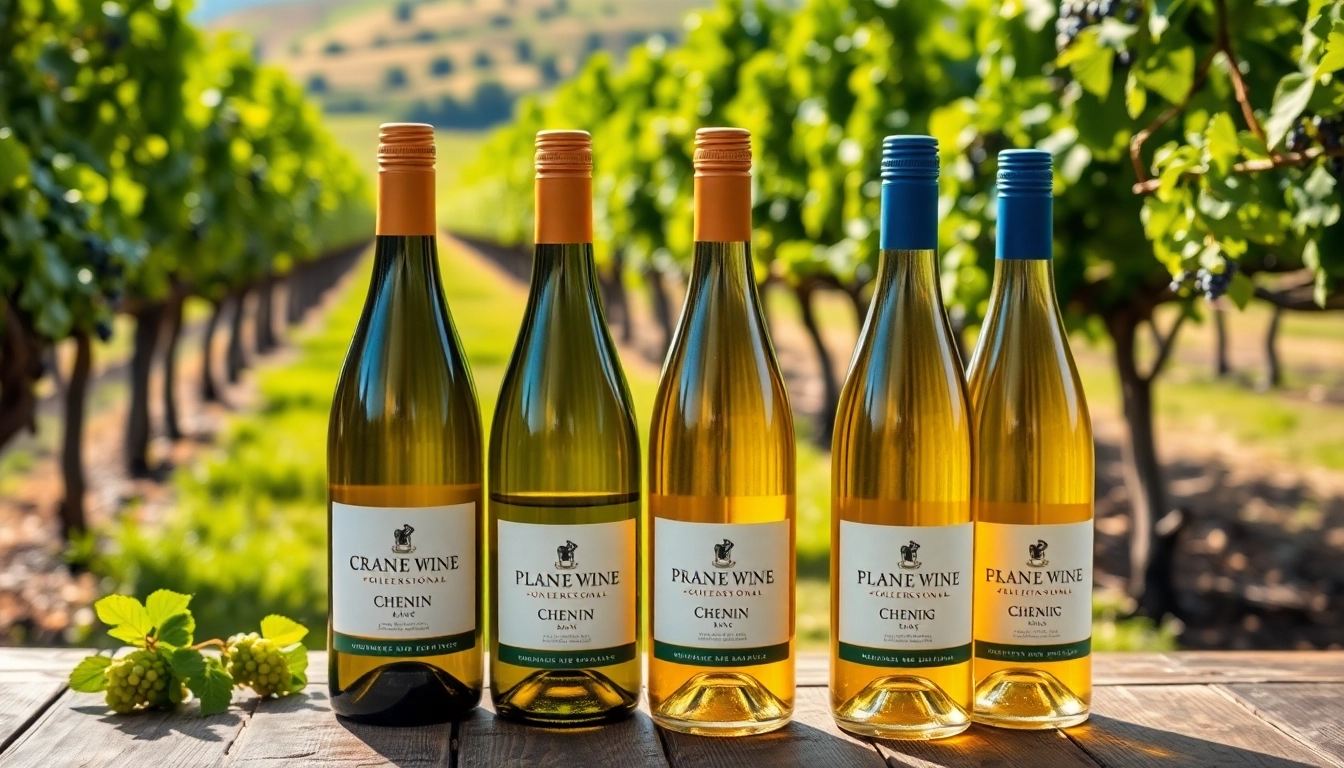
Chenin Blanc is a remarkable and versatile white wine grape variety that has fascinated wine enthusiasts around the globe. Its ability to reflect the terroir where it is grown and its adaptability to various climatic conditions contribute to its enduring popularity. The diversity in styles, ranging from bone-dry to lusciously sweet, makes Chenin Blanc a quintessential choice for many wine drinkers. In this comprehensive guide, we will delve deep into the attributes that define Chenin Blanc, from its origins and tasting notes to perfect pairings and production techniques.
Origin and Varieties of Chenin Blanc
Originating from the Loire Valley in France, Chenin Blanc is a grape variety with a rich history dating back to the 9th century. Initially cultivated for its high yields and versatility, it has since evolved to be appreciated for its unique flavors and the various expressions that can be produced based on terroir. Chenin Blanc is often crafted into a multitude of styles ranging from sparkling wine to still, dry, and dessert wines. Key regions known for producing varietals include Vouvray, Saumur, and Anjou, each offering a unique take on the grape's inherent characteristics.
Tasting Notes and Aromatic Profiles
The beauty of Chenin Blanc lies in its complexity of flavors and aromas. Tasting notes can vary significantly depending on the winemaking techniques and the terroir. Common flavor profiles include apple, pear, peach, and subtle floral notes, often accompanied by a distinct minerality. In older vintages, pronounced honeyed notes and waxy textures may emerge, adding depth and richness. With good acidity, Chenin Blanc remains refreshing, making it an ideal candidate for aging and showcasing the evolution of flavors over time.
Regions Known for Chenin Blanc Production
While the Loire Valley is renowned as the original home of Chenin Blanc, this grape has found a welcoming environment in other regions worldwide. South Africa has become the heart of Chenin Blanc outside France, where it is known locally as "Steen". The diverse landscape allows for creative interpretations, resulting in bright, fruit-forward wines often enhanced by oak aging. In California, Chenin Blanc contributes to blended wines and is also produced in varietal formats, showcasing a more suave, fruit-driven style. Each of these regions demonstrates the adaptability of Chenin Blanc and its capacity to flourish in different settings.
Food Pairings with Chenin Blanc
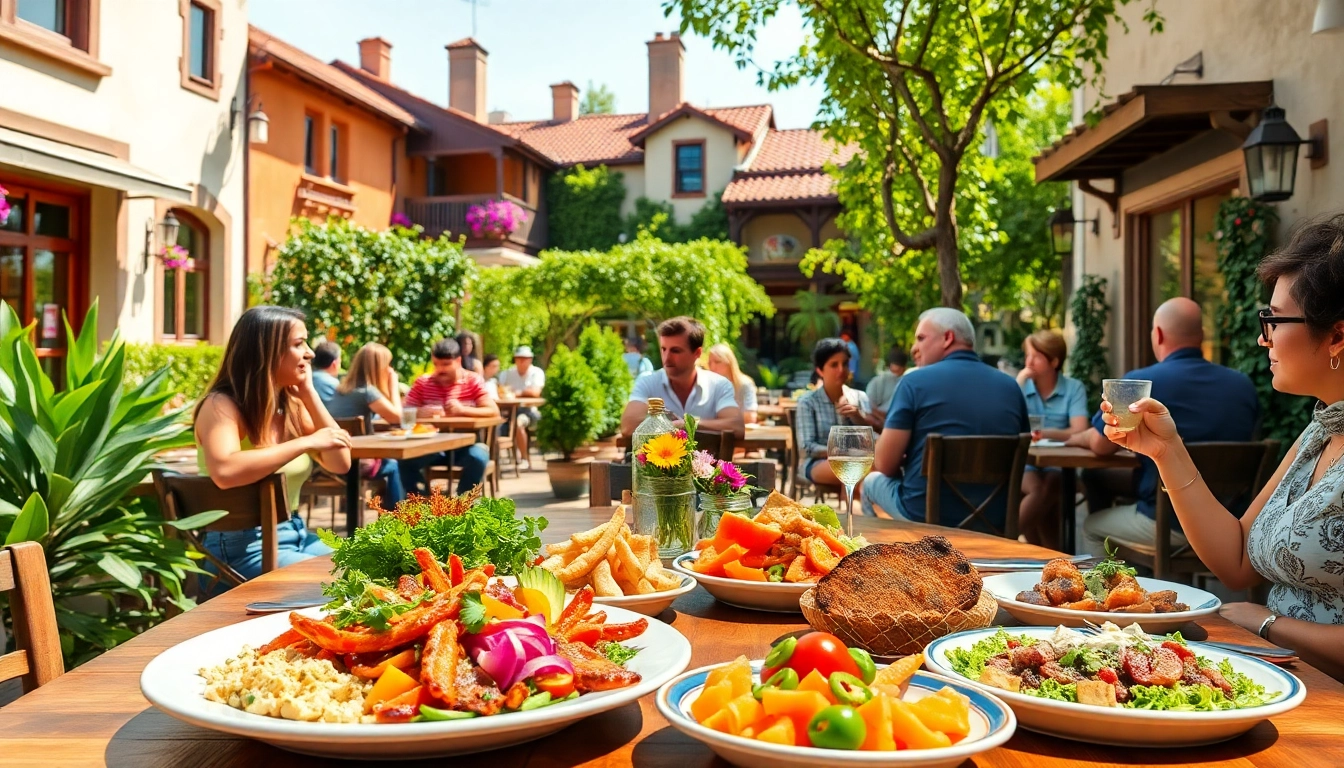
Pairing food with wine can enhance the dining experience, and Chenin Blanc's diverse flavor profile allows it to harmonize beautifully with a range of dishes. Here are several exquisite pairings that highlight the wine's versatility.
Synergy with Seafood: What to Serve
Chenin Blanc's crisp acidity and fruity flavors make it an excellent companion for seafood. When it comes to dishes such as grilled white fish, scallops, or shrimp, the wine can complement the delicate flavors without overpowering them. For lighter, fresher seafood preparations, a dry Chenin Blanc can bring out the natural sweetness in shellfish, while richer styles can enhance creamy sauces, allowing the nuanced flavors of both the food and wine to shine through.
Pairing Recommendations for Asian Cuisine
The adaptability of Chenin Blanc extends to Asian cuisine, where its vibrant acidity balances spice and richness. Dishes such as Thai green curry or sweet and sour pork pair exquisitely with a slightly off-dry Chenin Blanc, as the wine’s natural sweetness can temper the heat and bring out harmonious flavors. Furthermore, sushi, particularly rolls with avocado or fish, match stunningly with a chilled Chenin Blanc, enhancing the fresh ingredients' nuances.
Complementing Cheese and Charcuterie
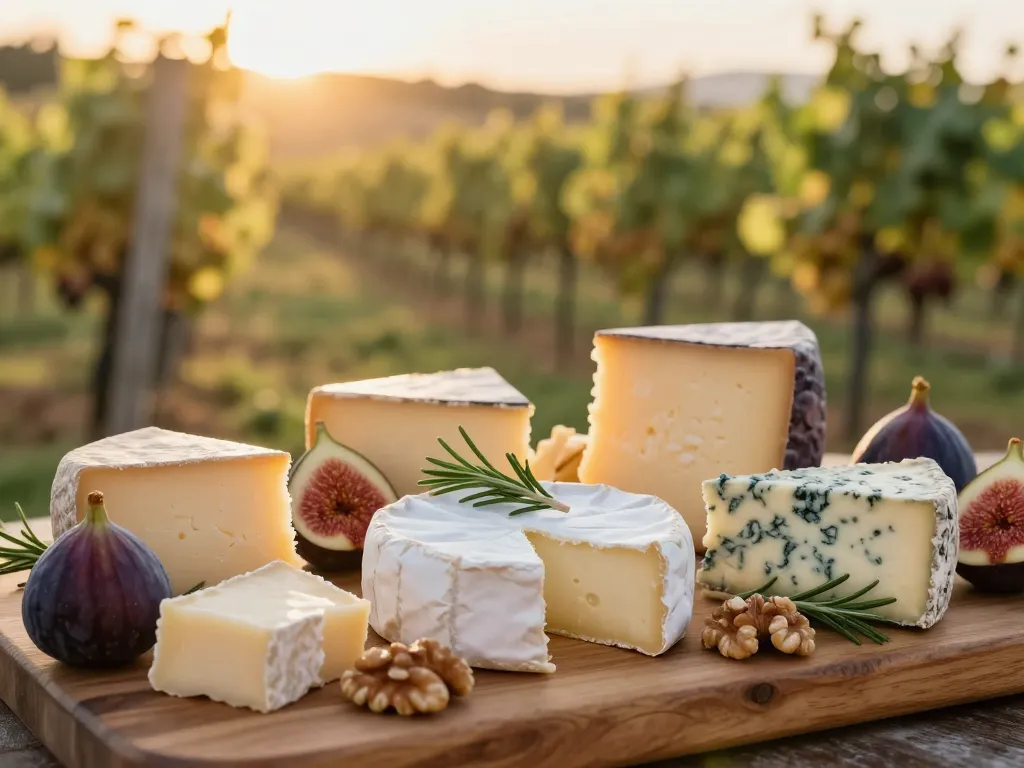
The complexity of Chenin Blanc makes it an astonishing match for cheese and cured meats. A chilled, appley Chenin Blanc pairs beautifully with creamy cheeses like brie or goat cheese, while aged varieties can be delightful with rich, robust cheeses such as cheddar or blue cheese. Charcuterie boards featuring prosciutto or pâté can also find a formidable partner in Chenin Blanc, where the wine’s acidity offsets the richness of the meats.
Chenin Blanc Wine Production Techniques
Understanding how Chenin Blanc is produced reveals much about the quality and characteristics found in each bottle. The techniques utilized during harvesting, fermentation, and aging profoundly affect the final product.
Harvesting and Fermentation Methods
The timing of the harvest is crucial in determining the wine style, with grapes being picked early for dry wines and later for sweeter styles. After harvest, the grapes undergo pressing, with some producers opting for whole-cluster pressing to maintain freshness. Fermentation can be conducted in stainless steel tanks for a clean, crisp profile or in oak barrels for more complexity. The use of wild yeasts versus cultivated yeasts also affects the fermentation process and the wine's resulting flavor profile.
Influence of Terroir on Flavor
Terroir—the combination of soil, climate, and geographical location—plays a significant role in shaping the unique flavors of Chenin Blanc. In the Loire Valley, for instance, various soils, from limestone to clay, contribute distinct minerality and structure to the wines. Similarly, in South Africa, the coastal winds influence vineyard conditions, resulting in fresh and vibrant wines. Understanding terroir enables winemakers to cultivate and showcase the grape's true essence effectively.
Vintages and Aging Processes
Chenin Blanc is renowned for its aging potential, especially when crafted utilizing proper techniques. Depending on the winemaker's intention, wines can be aged in oak barrels or left in stainless steel to preserve their fruity character. Older vintages often develop complex secondary characteristics, exhibiting honeycomb or beeswax notes alongside the original fruitiness. Monitoring aging conditions, such as temperature and humidity, is crucial for maintaining wine quality and integrity.
Buying and Storing Chenin Blanc
For wine enthusiasts, securing valuable bottles of Chenin Blanc is vital for enjoying its rich complexities over time. Understanding how to select quality wines and store them properly can enhance your overall wine experience.
Selecting Quality Chenin Blanc at Retail
When browsing for Chenin Blanc at retailers, look for wines that specify their origin and style. Exploration of your favorite regions can be helpful, along with vintage information—specifically, learning which years were particularly favorable for Chenin Blanc in that region. Seek out recommendations from knowledgeable staff or read reviews to identify top-rated options. Investing in well-crafted wines will ensure a delightful drinking experience.
Proper Storage Techniques for Longevity
Storing Chenin Blanc correctly is crucial to preserving its integrity and flavor. Wines should be kept in a cool, dark place, away from light and temperature fluctuations. A consistent temperature of around 55°F (13°C) is ideal. Bottles should be stored horizontally to keep the cork moist, while a humidity level of around 70% is beneficial for long-term storage. Additionally, avoiding vibrations or movements will help maintain the quality of your wine.
When to Enjoy: Best Varietal Trends
Chenin Blanc offers drinking pleasure across various stages in its aging process. While younger bottles are vibrant and fruit-driven, many experts suggest that semi-aged Chenin Blanc showcases the pinnacle of flavors and complexity. Wines from the Loire Valley and South Africa often reach their prime few years after bottling. Keeping track of vintages and understanding when the wine peaks can significantly enhance your appreciation of this remarkable grape.
Exploring Chenin Blanc Wine Culture
The culture surrounding Chenin Blanc is a testament to its enduring allure and versatility in fermentation. Wine producers and enthusiasts participate actively in local and international communities dedicated to promoting this grape.
Leading Chenin Blanc Producers Around the Globe
A myriad of producers now champions Chenin Blanc, creating unique expressions that cater to diverse preferences. Some celebrated vineyards and winemakers have achieved exceptional acclaim for their innovative approaches and commitment to quality. Exploring wines from prominent regions not only supports these artisans but also enhances your understanding of the differences shaped by terroir and techniques.
Community and Events Involving Chenin Blanc
Wine festivals, tastings, and educational events focused on Chenin Blanc abound, providing opportunities for enthusiasts to connect. Such gatherings often explore the wine's history, styles, and potential pairings, allowing individuals to broaden their knowledge and appreciation. Joining local wine clubs or attending themed events can deepen your affection for Chenin Blanc and expose you to new producers and trends.
The Future of Chenin Blanc in Winemaking
The future of Chenin Blanc in winemaking looks bright, fueled by emerging producers and increasing global interest. Innovative approaches to sustainable viticulture and creative winemaking techniques promise superior quality and unique offerings. As consumer preferences evolve, winemakers are embracing experimentation, paving the way for new styles that celebrate Chenin Blanc’s versatility in exciting ways while preserving its storied heritage.
FAQs
What food pairs best with Chenin Blanc?
Chenin Blanc pairs well with seafood, Asian dishes, and a variety of cheeses. Its vibrant acidity and flavors enhance the overall dining experience.
Is Chenin Blanc good for aging?
Yes, Chenin Blanc has great aging potential, with older vintages developing complex flavors such as honey and wax while maintaining good acidity.
What are the key characteristics of Chenin Blanc?
Chenin Blanc is known for its vibrant acidity, diverse flavor profiles including apple and pear, and the ability to reflect its terroir.
Where is Chenin Blanc mainly produced?
Chenin Blanc is primarily produced in France's Loire Valley and South Africa, but it is also grown in various regions worldwide, including California.
How should Chenin Blanc be stored?
Store Chenin Blanc in a cool, dark place with a consistent temperature and humidity. Bottles should be positioned horizontally to keep corks moist.