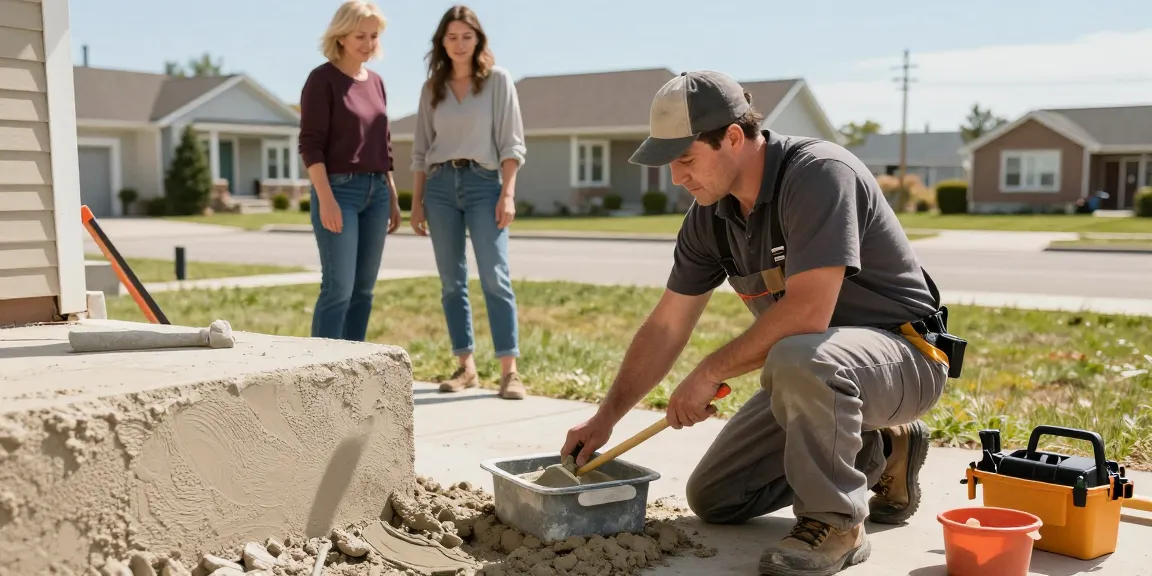
Understanding the Role of a Carpenter
The art of carpentry is a time-honored trade integral to construction and design. Carpenters create everything from furniture to complex structures using wood and other materials. While some reshape homes into functional spaces, others might focus on crafting custom cabinetry. A qualified carpenter blends practical skills with artistic vision, making their role essential in both residential and commercial projects.
What is a carpenter’s job?
A carpenter's job encompasses a variety of tasks including reading blueprints, measuring and cutting materials, constructing frameworks, installing fixtures, and ensuring compliance with building codes. They may work in settings as diverse as new constructions, renovations, or restoration of historical buildings. Alongside technical skills, a successful carpenter employs problem-solving capabilities to address challenges that arise during projects.
Essential skills every carpenter must have
Various core skills are fundamental to carpentry. First, proficiency in using hand tools—like chisels, saws, and hammers—is crucial. Knowledge of power tools, such as circular saws and nail guns, allows for more efficient project completion. Additionally, a keen understanding of mathematics is necessary for accurate measurements and layout planning. Strong communication skills also play a role in collaborating with clients and team members.
Different types of carpenters and their specialties
Carpentry can be divided into several specialized fields, each requiring distinct skills and knowledge. Finish carpenters focus on finer elements like moldings and trim work. Rough carpenters primarily work on structural frames. Additionally, cabinetmakers design and fabricate custom furniture. Each type plays a unique role in construction and restoration, highlighting the versatility of the profession.
Tools of the Trade for Carpenters
Every carpenter relies on a specific set of tools to perform tasks effectively. Their toolkit is not merely a collection of instruments but rather an organized system that allows them to work efficiently and safely.
Basic carpentry tools every beginner needs
Beginners should start with essential tools, including a tape measure, square, saw, hammer, and safety goggles. A level ensures that constructions are plumb and a chisel set allows for additional detailing. Learning to use these basic tools is fundamental before progressing to more advanced equipment.
Advanced tools for professional carpenters
As carpenters advance, they often incorporate more specialized equipment such as table saws, miter saws, and routers for intricate designs. Laser levels and pneumatic nailers improve precision and efficiency, making project completion quicker while maintaining high standards. Having the right tool for the job can significantly influence the outcome of any carpentry work.
Maintaining and caring for your carpentry tools
Regular maintenance of tools is crucial for longevity and performance. This includes cleaning tools after use, checking for wear and tear, and sharpening blades accordingly. Proper storage in a dry, organized space prevents rust and damage, preserving the investment made in these essential instruments.
Techniques and Best Practices in Carpentry
The craft of carpentry comprises various techniques that are honed through experience and continual learning. Best practices not only elevate the quality of work but also ensure safety on the job site.
Common carpentry techniques
Some common techniques include measuring and marking, cutting joints (like dovetails and mortises), and installing different types of joints (like butt or lap joints). Carpenters also utilize methods such as pocket hole joinery which are valued for their strength and ease of use in creating strong connections between wood pieces.
Safety measures for carpenters
Safety is paramount in carpentry. Carpenters must wear personal protective equipment (PPE) such as hard hats, glasses, and gloves. Implementing protocols for using power tools includes reading manuals, maintaining equipment, and ensuring a clear workspace to prevent accidents. Training sessions on safety practices will enhance overall workplace security.
Tips for efficient project management
Effective project management is central to a successful carpentry career. Start with detailed planning and budgeting, setting realistic timelines that account for potential delays. Communication with clients regarding expectations and progress updates helps mitigate any issues that arise. Utilizing digital tools for scheduling and task management can streamline operations significantly.
Challenges Faced by Carpenters
Carpenters encounter various challenges, from material selection to project scope. Navigating these obstacles requires a mix of skill and experience, along with a solid understanding of customer relationships.
Understanding wood types and their properties
Wood is not just wood; different species come with unique qualities impacting durability, workability, and appearance. Softwoods like pine are easier to work with but may not last as long under stress compared to hardwoods like oak and maple. Knowledge of these properties enables carpenters to select materials that best fit the intended application.
Time management in carpentry projects
Time management is a significant challenge; projects can easily extend beyond deadlines due to unforeseen circumstances. Structuring projects into phases and setting target completion dates for each phase can enhance time efficiency while ensuring quality standards are maintained throughout the build process.
Dealing with client expectations and revisions
Client relationships can sometimes be fraught with misunderstandings. Clear communication is essential to set realistic expectations from the project's outset. It’s important to document and review changes, ensuring that all parties agree to alterations in designs or timelines early in the process to avoid complications later.
Future of Carpentry: Trends and Innovations
The landscape of carpentry continues evolving, driven by sustainability and technological advancements. Carpenters who adapt to these changes will find opportunities to enhance their craft and meet modern demands.
Green building materials and sustainable practices
With a growing emphasis on sustainability, many carpenters are now incorporating eco-friendly materials and practices into their work. From reclaimed wood to low-VOC finishes, these options not only appeal to environmentally conscious consumers but also reduce the carbon footprint of building projects.
The impact of technology in carpentry
Technology plays a transformative role in carpentry, from 3D modeling software that enables precise planning to CNC machines that enhance manufacturing efficiency. The increased availability of online resources also makes learning new skills and techniques more accessible than ever.
Emerging carpentry design trends
Contemporary design trends include minimalist aesthetics, open concepts, and multifunctional spaces. Carpenters are now tasked with creating innovative solutions that maximize spatial use while still providing beauty and functionality. Keeping abreast of trends ensures that carpenters meet client needs and preferences effectively.
FAQs about Carpentry
What qualifications are needed to become a carpenter?
Most carpenters start with a high school diploma, followed by an apprenticeship. Trade schools also offer programs, teaching essential skills and safety protocols.
How can I improve my carpentry skills?
Practicing various techniques, attending workshops, and seeking mentorship from experienced carpenters can significantly enhance your skills and knowledge.
What are the most common safety issues in carpentry?
Common safety issues include falls, tool-related injuries, and exposure to hazardous materials. Following safety protocols can help mitigate these risks.
How long does it take to complete a carpentry project?
The duration of a carpentry project varies based on size and complexity. Simple projects may take days, while larger builds can extend into weeks or months.
Are there specific tools for outdoor vs indoor carpentry?
Yes, outdoor carpentry often requires weather-resistant materials and tools designed for durability, while indoor carpentry focuses more on detail and finish work.