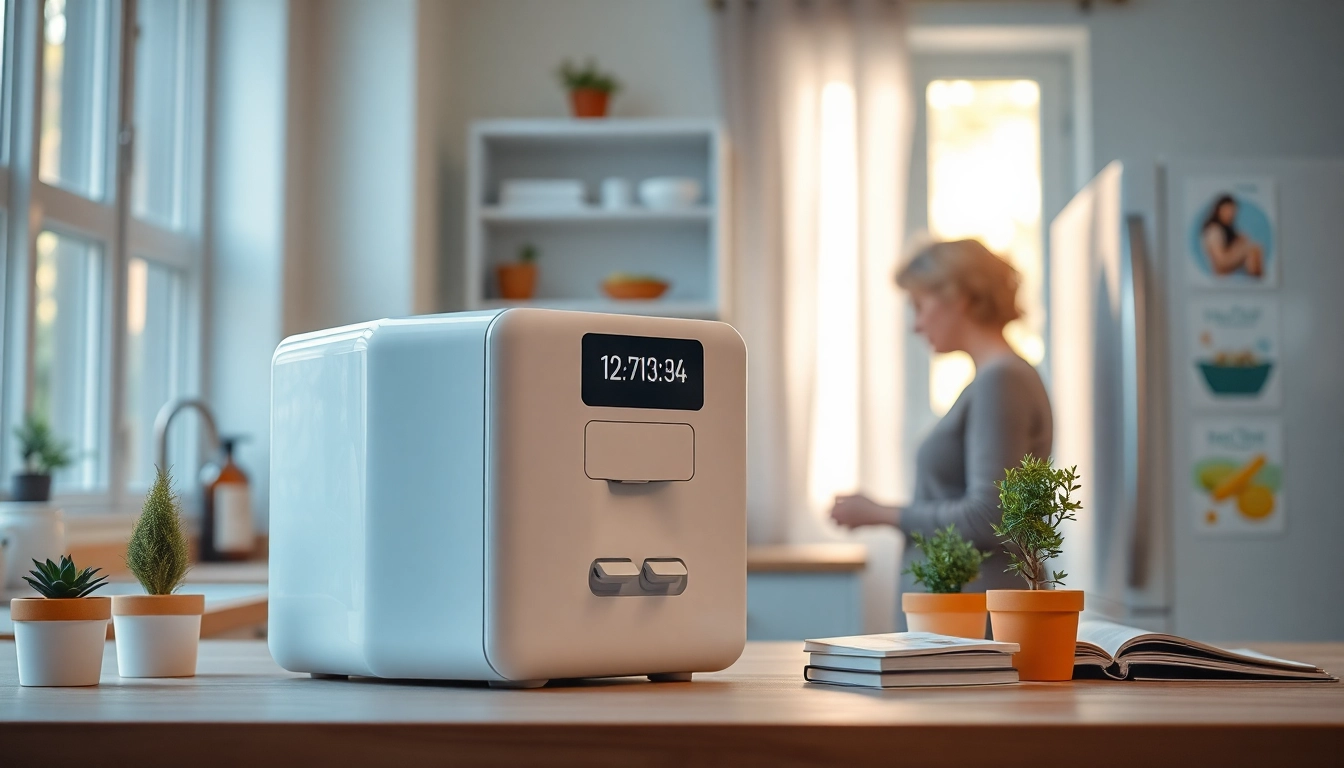
Understanding Automatic Pill Dispensers
In an era where technology is revolutionizing our daily lives, the healthcare sector is not left behind. One of the most innovative solutions that have emerged in recent years is the automatic pill dispenser. Designed to enhance medication adherence, these devices have quickly become essential tools for patients and caregivers alike. This article delves into the intricacies of automatic pill dispensers, shedding light on their significance, functionality, and the implications they hold for medication management in the modern healthcare landscape.
What is an Automatic Pill Dispenser?
An automatic pill dispenser is a smart healthcare device designed to store, organize, and dispense medications accurately and timely. Generally featuring compartments for various doses, these dispensers can hold a multitude of pills and are programmed to release the correct dosage at specified times. With advancements in technology, several models now connect to smartphone applications, providing real-time updates and alerts to both patients and caregivers regarding medication schedules.
The Importance of Medication Adherence
Medication adherence, the extent to which patients take their medications as prescribed, is crucial for effective treatment outcomes. According to the World Health Organization (WHO), approximately 50% of patients with chronic diseases do not adhere to their treatment plans, leading to substantial health complications and increased healthcare costs. Automatic pill dispensers address this issue by ensuring patients receive their medications precisely when they need them, which significantly improves adherence rates.
How Automatic Pill Dispensers Work
These devices operate on a straightforward principle: they use internal timers and alarms to notify users when it's time to take their medication. Upon activation, they dispense the scheduled dose, often accompanied by visual and auditory signals. Most systems also incorporate features such as internet connectivity, which allows users to monitor their medication adherence remotely and offers caregivers peace of mind.
Benefits of Using an Automatic Pill Dispenser
Improved Medication Management
One of the primary advantages of automatic pill dispensers is enhanced medication management. These devices minimize the risk of missed doses and ensure that patients do not accidentally take their medications at incorrect times. Features such as customizable alarm settings and alerts are pivotal in maintaining patient adherence, especially for those managing multiple prescriptions.
Enhanced Safety and Convenience
Automatic pill dispensers also prioritize safety. Many models come equipped with locking mechanisms to prevent unauthorized access, making them particularly beneficial for households with children or individuals prone to medication misuse. The convenience they offer — easy loading of medications and straightforward operation — makes them a favorable choice for elderly patients who may struggle with traditional methods of medication management.
Cost-Effectiveness in Long-Term Care
Investing in an automatic pill dispenser can lead to significant cost savings in the long run. By reducing medication errors and enhancing adherence, healthcare providers can lower hospital readmission rates and associated costs. Moreover, some insurance plans may cover the cost of these devices or provide financial incentives for using technology that improves patient outcomes.
Choosing the Right Automatic Pill Dispenser
Key Features to Look For
When selecting an automatic pill dispenser, it's essential to consider several key features:
- Capacity: Choose a model that can accommodate the number of medications you need to store.
- Alarm Systems: Look for systems with customizable alarms that can provide both visual and auditory reminders.
- Connectivity: Many modern dispensers offer smartphone app integration for remote monitoring.
- Security Features: Options such as locking compartments can enhance safety, especially for high-risk users.
- Ease of Use: A user-friendly interface will facilitate easier setup and operation.
Comparing Top Models in 2025
As of 2025, several models have gained popularity in the market for their innovative features and reliability. Leading brands like MedaCube, Hero, and MedMinder have introduced devices that combine advanced technology with practicality. For instance, the Hero dispenser allows users to manage medications remotely via an app, while the MedaCube simplifies pill organization with its easy-loading design. Analyzing customer reviews and expert comparisons is crucial for making an informed decision.
Customizing Your Medication Solutions
Customization options are increasingly becoming a focus in the pill dispenser market. Manufacturers are beginning to offer personalized solutions tailored to individual patient needs. This can include everything from specific size requirements to additional features like integrated health monitoring. Ensuring that the chosen device aligns with the user's lifestyle and medication regimen is paramount for achieving the best outcomes.
Real-World Applications and Case Studies
Successful Implementations in Home Care
In home care settings, automatic pill dispensers have proven invaluable. Many caregivers find that these devices enhance their ability to support loved ones in managing their medications, providing peace of mind. By reducing the likelihood of medication errors, these dispensers ensure that patients receive their prescribed treatments on time, ultimately leading to better health results.
Automatic Pill Dispensers in Assisted Living Facilities
Assisted living facilities are increasingly adopting pill dispensers to streamline medication management. Facilities equipped with these devices can better serve residents who require multiple medications, thereby enhancing the overall quality of care. By automating the dispensing process, staff can focus more on providing personalized care rather than managing complex medication schedules.
Case Study: Improved Outcomes with Medication Dispensing
A notable case study conducted in a large assisted living facility revealed that the introduction of automatic pill dispensers led to a significant decrease in medication errors. Over a six-month period, the facility reported a 30% reduction in missed doses, which correlated with improved resident health outcomes and a decrease in hospital readmissions. This underscores the potential impact these devices can have on patient care.
Future Trends in Automatic Pill Dispensing Technology
The Role of IoT and Smart Technology
The integration of Internet of Things (IoT) technology is set to revolutionize automatic pill dispensers further. These advancements will enable real-time tracking of medication adherence, allow for remote monitoring by healthcare professionals, and potentially provide predictive analytics to anticipate and address adherence issues before they arise. This evolutionary step aims to enhance patient engagement and ultimately improve health outcomes.
Regulatory Changes and Industry Standards
As the market for automatic pill dispensers grows, so too does the need for clear regulatory standards. Organizations like the FDA are increasingly focusing on establishing guidelines that ensure the safety and efficacy of these devices. Staying abreast of these changes is essential for manufacturers and healthcare providers alike, as compliance will be critical to maintaining market integrity and consumer trust.
Predictions for the Future of Medication Management
Looking ahead, the future of medication management will likely see a greater emphasis on personalized medicine. This includes tailored medication regimens and dispensers that are adaptable to patient needs. The ongoing development of smart technologies promises to make automatic pill dispensers more efficient, accessible, and integrated into broader healthcare systems, ultimately promoting better health outcomes for all users.