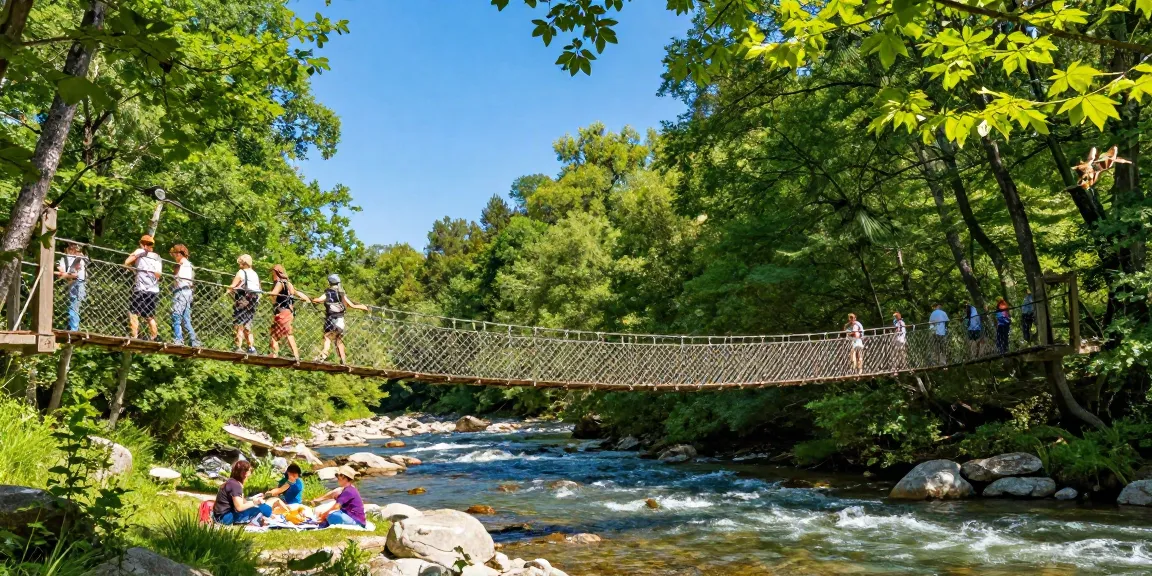
Understanding the Basics of River Rope Bridges
River rope bridges, known for their unique combination of functionality and scenic beauty, have gained popularity not only in adventurous outdoor activities but also in various ecological conservation projects. These bridges provide a means of crossing rivers without disturbing the natural habitat, making them an appealing choice for nature enthusiasts and eco-conscious builders alike. River Rope Bridge construction can vary in complexity, from simple DIY kits to professionally engineered structures, depending on the needs of the project and the skills of the builder.
What is a River Rope Bridge?
A river rope bridge is a suspended structure that allows pedestrians to cross over rivers or other water bodies using ropes, cables, and sometimes planks or other materials. They are typically made of strong, durable materials like synthetic ropes or steel cables, creating a balance between flexibility and strength. These bridges can be designed to blend seamlessly into their surroundings, offering breathtaking views while providing a safe passage for walkers, hikers, or even cyclists in some cases.
Key Benefits of Installing a River Rope Bridge
- Minimal Environmental Impact: Unlike traditional bridges, river rope bridges often require fewer materials and can be built without extensive land alteration.
- Cost-Effective: They can be less expensive to build than conventional bridge structures, making them accessible for community projects and private landowners.
- Aesthetic Appeal: The rustic charm of a rope bridge adds character to its environment, enhancing the overall landscape.
- Adventure and Tourism: These bridges can become attractions in their own right, encouraging eco-tourism and outdoor activities in the region.
Materials Needed for Building a River Rope Bridge
When planning to construct a river rope bridge, selecting the right materials is essential for ensuring safety and durability. Common materials include:
- High-Strength Rope or Cable: Typically made of synthetic fibres or galvanised steel, this forms the primary support structure.
- Decking Material: Planking choices can range from treated timber to composite materials, depending on the desired appearance and budget.
- Anchors and Fasteners: Heavy-duty anchors are necessary for securing the bridge, along with various fasteners designed to handle the load and environmental conditions.
Planning Your River Rope Bridge Project
Embarking on a river rope bridge project requires careful planning and consideration of various elements to ensure a successful build. This section will guide you through the essential aspects of planning your bridge.
Choosing the Right Location for Your River Rope Bridge
The location is critical for the effectiveness and safety of your river rope bridge. Factors to consider include:
- Bank Stability: Ensure that the banks of the river are stable enough to support the bridge and its users.
- Height Above Water: Consider the height above the river to avoid flooding or strong currents.
- Access: Assess the access points for construction and for future users.
Safety Considerations for River Rope Bridges
Safety should always be a top priority when constructing and using a river rope bridge. Key considerations include:
- Load Capacity: Calculate the maximum weight the bridge will need to carry, considering peak use scenarios.
- Guardrails: Installing guardrails can prevent falls, particularly for children and inexperienced users.
- Weather Resistance: Choose materials that can withstand local weather conditions, such as rain, wind, and sunlight.
Understanding Local Regulations and Permissions
Before starting construction, check with local authorities regarding any necessary permits or regulations that apply to building a river rope bridge in your area. Compliance with environmental protection laws and local building codes is crucial to avoid legal complications down the road.
Step-by-Step Guide to Building a River Rope Bridge
Once you have completed your planning phase, it's time to dive into the construction process. Below is a step-by-step guide on building a river rope bridge.
Gathering Your Tools and Materials
Before you start building, assemble all required tools and materials. A basic toolkit may include:
- Drills and drill bits
- Saws for cutting materials
- Screwdrivers and pliers
- Measuring tape
- Level and safety gear (helmets, harnesses, etc.)
Constructing the Bridge Framework
Begin by installing the main support cables. They should be securely anchored at each end, ensuring a taut line for stability:
- Anchor Points: Dig holes for the anchor points and install the foundations.
- Run Cables: Attach the main cables to the anchors and tension them adequately.
- Add Decking: Securely lay planking or other decking materials across the main cables, ensuring even spacing.
Adding Safety Features and Finishing Touches
After the main structure is complete, it's time to add safety features:
- Install Guardrails: Attach railings along the sides of the bridge to enhance user safety.
- Lighting: Consider adding solar-powered lights for visibility during low light conditions.
- Final Inspection: Conduct a thorough inspection of the bridge, checking for stability and safety features.
Maintenance and Safety Checks for River Rope Bridges
To ensure long-term safety and usability, regular maintenance and inspections are essential for river rope bridges.
Regular Inspections: What to Look For
Establish a routine inspection schedule to check key elements of the bridge, focusing on:
- Condition of the cables and support structure
- Decking material for wear or damage
- Anchors and fastening devices for stability
Common Repairs for River Rope Bridges
Repairs can often be straightforward. Common issues include:
- Replacing worn cables or ropes
- Repairing or replacing damaged decking
- Tightening loose anchors or fittings
How to Ensure Safety for Users
Regular education on proper use is crucial to maintaining safety. Consider creating user guidelines that outline:
- Weight limits
- Number of users at one time
- Emergency procedures in case of accidents
Future Trends in Rope Bridge Design and Construction
The construction of river rope bridges continues to evolve with advances in materials and technology, leading to innovative designs that meet modern needs.
Innovative Materials and Technologies for 2026
Future rope bridges are likely to incorporate:
- Recycled Materials: Increasingly, builders are opting for sustainable materials that reduce environmental impact.
- Smart Technology: Features like climate sensors and embedded lights can enhance user safety and experience.
Environmental Considerations in Bridge Construction
As ecological awareness grows, so does the emphasis on environmentally-friendly bridge designs. This includes:
- Minimizing disruption to local wildlife
- Using biodegradable materials where possible
Community Engagement and Educational Initiatives
Encouraging community involvement in river rope bridge projects can foster appreciation and stewardship for local environments. Initiatives may include:
- Workshops to educate about bridge construction
- Involving local schools in design competitions
What are the potential costs of building a River Rope Bridge?
The cost of constructing a river rope bridge can vary widely based on materials, location, and design complexity. Basic DIY options can start as low as a few hundred pounds, whereas professionally built bridges may exceed several thousand.
Are River Rope Bridges safe for children?
While many river rope bridges can be safe for children, proper design, maintenance, and supervision are crucial to ensure safety. Installing guardrails and enforcing usage guidelines can help mitigate risks.
Can I build a River Rope Bridge without professional help?
Many individuals successfully build rope bridges as DIY projects, particularly simpler designs. However, consulting professionals for larger or more complex structures is advisable to ensure safety and compliance with local regulations.
What materials are best for a durable River Rope Bridge?
High-strength synthetic ropes or steel cables are ideal for support. For decking, treated timber or composite materials offer durability and resistance to weather-related wear.
How long does it take to build a River Rope Bridge?
Construction time can vary based on the size and complexity of the project, but many small to medium bridges can be constructed in a matter of days to weeks with proper planning.