
Fly fishing is more than just a hobby; it’s an immersive experience that connects you with nature, challenges your skills, and provides countless hours of relaxation. For beginners, understanding the essential gear can be overwhelming. One of the most crucial steps to a successful start is equipping yourself with the right Fly fishing accessories. These tools not only make your fishing experience more enjoyable but also increase your chances of catching fish. In this guide, we’ll walk you through the must-have accessories every novice angler should consider.
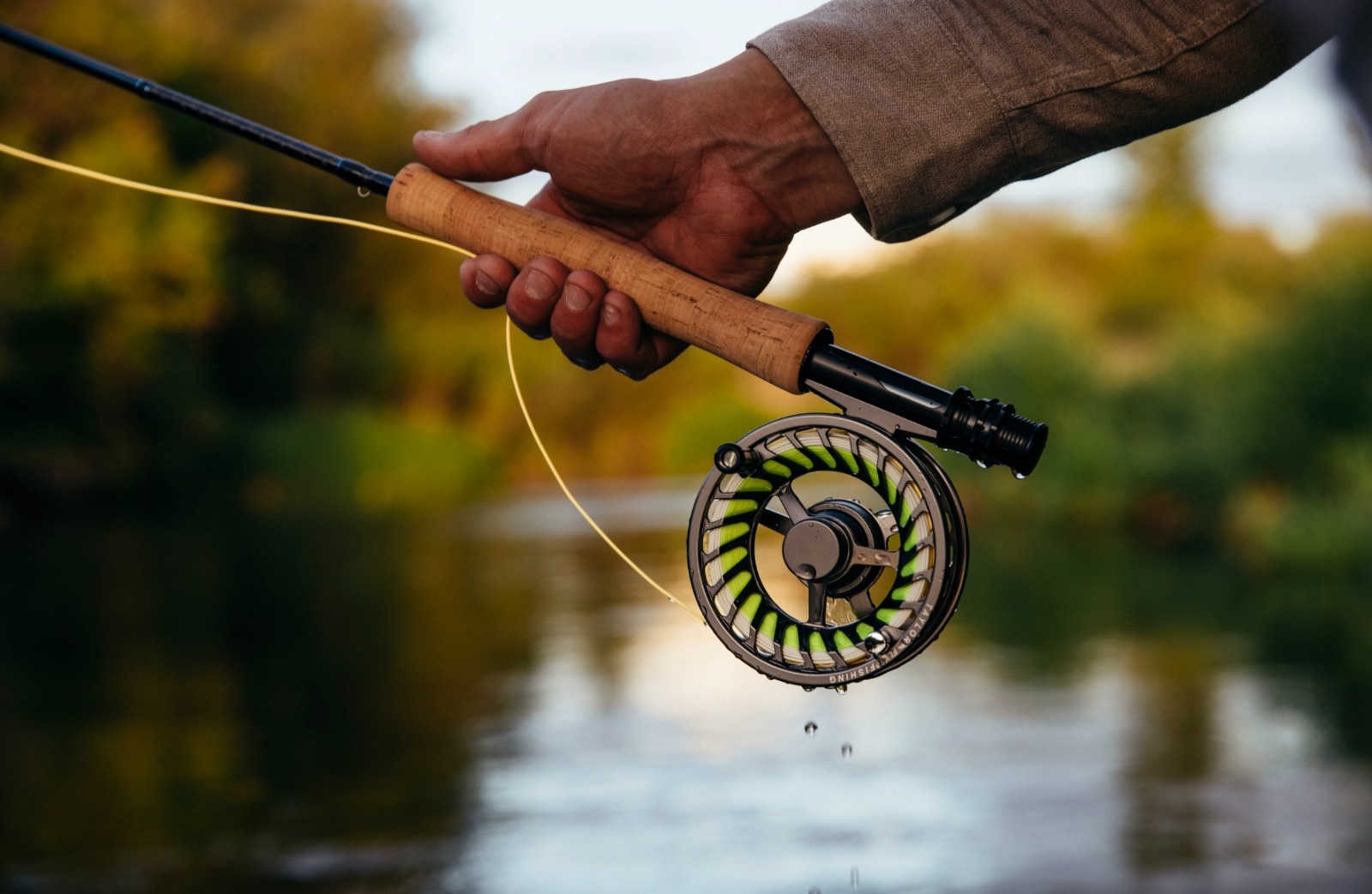
Fly Rods and Reels: The Heart of Your Setup
Choosing the Right Fly Rod
Your fly rod is arguably the most important piece of equipment in fly fishing. For beginners, a lightweight rod in the 8- to 9-foot range is ideal. Medium-action rods offer versatility, making them suitable for various fishing conditions. When selecting a rod, consider the type of fish you aim to catch and the environment where you'll be fishing.
Selecting a Compatible Reel
A reel doesn’t just store your line; it provides balance and helps manage fish during the catch. Beginners should opt for a durable, easy-to-use reel with a smooth drag system. Pairing your reel correctly with your rod ensures optimal casting and a more enjoyable fly fishing experience.
Fly Lines and Leaders: Essential for Precision
Types of Fly Lines
Fly lines come in floating, sinking, or intermediate options. Beginners often benefit from floating lines because they are easier to control and ideal for shallow waters. Choosing the right line weight for your rod is crucial for accurate casting.
Importance of Leaders and Tippets
Leaders connect your fly line to the fly, providing subtle presentation to avoid spooking fish. A tapered leader of 7–9 feet is recommended for beginners. Tippets, attached to the leader’s end, offer flexibility and help present flies naturally in the water.
Flies and Fly Boxes: Bringing Fish to the Hook
Essential Flies for Beginners
Fly selection can be daunting, but starting with a few versatile options is key. Dry flies, nymphs, and streamers cover most freshwater scenarios. Match your fly to local hatch patterns to increase your chances of a successful catch.
Organizing Your Flies
A reliable fly box keeps your collection organized and protected from moisture. Beginners should look for waterproof, compartmentalized boxes that make it easy to quickly select the right fly while on the water.
Waders and Boots: Comfort and Safety First
Choosing the Right Waders
Waders keep you dry and comfortable while standing in streams or rivers. Breathable waders are ideal for beginners because they prevent overheating and are lighter to carry. Ensure the waders fit well and allow freedom of movement.
Importance of Wading Boots
Sturdy, non-slip boots are essential for safety and stability in slippery environments. Felt or rubber soles are common options. Rubber soles are easier to maintain and suitable for most beginner anglers, while felt soles offer superior grip in mossy or muddy conditions.
Essential Tools and Accessories
Forceps and Nippers
Forceps are indispensable for removing hooks safely, while nippers help cut line cleanly. Both are lightweight and can be clipped to your vest or belt for easy access.
Strike Indicators and Floatants
Strike indicators are small devices that signal when a fish bites, making them ideal for beginners learning to detect subtle strikes. Floatants keep dry flies buoyant, ensuring your presentation stays effective.
Tackle Bags and Vests
A dedicated tackle bag or vest organizes all your accessories, keeping essential tools within reach. Look for compartments that separate flies, lines, and tools for maximum efficiency.
Sunglasses, Hats, and Other Comfort Accessories
Polarized Sunglasses
Polarized sunglasses reduce glare, allowing you to see fish and underwater structures clearly. They also protect your eyes from harmful UV rays and accidental hook injuries.
Protective Hats and Clothing
A wide-brimmed hat shields you from sun exposure, while moisture-wicking clothing ensures comfort during long hours on the water. Layering with lightweight, breathable fabrics helps regulate body temperature and enhances mobility.
Tips for Maintaining Your Fly Fishing Accessories
Proper maintenance extends the life of your gear and enhances performance. Rinse waders and boots with fresh water after each use, dry flies thoroughly before storing, and regularly clean your reels and rods. Keeping your accessories organized and in good condition ensures they are always ready for your next adventure.
Conclusion: Gear Up for Success
Starting your fly fishing journey on the right foot requires more than just enthusiasm; it demands the proper fly fishing accessories to support skill development and enjoyment. From rods and reels to flies, waders, and essential tools, each accessory plays a critical role in your success. By investing in quality gear and maintaining it properly, you set yourself up for countless memorable fishing experiences. Equip yourself wisely, practice regularly, and let each outing enhance your skills and confidence on the water.