
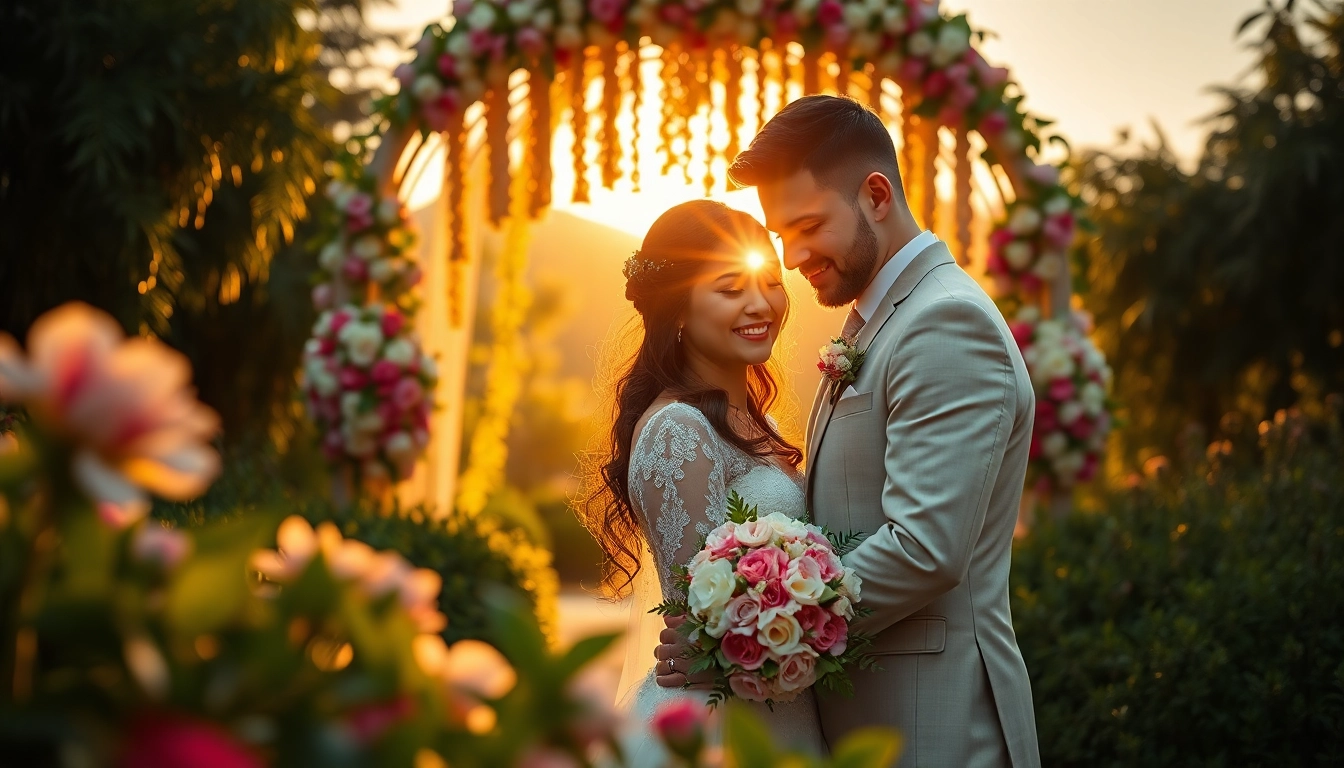
Understanding the Art of Wedding Photography
Wedding photography transcends mere documentation; it is an intricate art form that captures the emotions, memories, and essence of a couple’s special day. From the early morning preparations until the final send-off, a skilled photographer weaves a visual narrative that tells the unique love story of each couple. A well-composed Wedding photography portfolio reflects not just technical prowess, but an understanding of human emotions and relationships, making it one of the most cherished aspects of any wedding celebration.
The Importance of Capturing Genuine Moments
What sets great wedding photography apart is the ability to capture genuine moments—those candid interactions and spontaneous reactions that truly define a couple’s day. This authenticity is vital, as these images evoke strong emotions and provide a real glimpse into the couple’s experience. Photographers must skillfully observe and anticipate these moments, like a heartfelt laugh during the ceremony or a tender glance between the couple, ensuring they’re ready to click the shutter at the perfect time. Understanding emotional cues and being unobtrusive often make the difference between a posed photograph and one that resonates with heartfelt sincerity.
Key Elements of Professional Wedding Photography
Professional wedding photography involves a blend of various elements that contribute to exceptional results:
- Technical Proficiency: A strong understanding of lighting, composition, and camera settings is essential for capturing stunning images in diverse environments.
- Curation and Storytelling: Selecting which images to include in a wedding album and how to sequence them is vital for effective storytelling.
- Equipment Mastery: Familiarity with various photographic equipment and techniques, such as off-camera flash and editing software, enhances the quality of visual narratives.
- Interpersonal Skills: Building rapport with the couple and their guests ensures comfort, leading to more natural photographs.
Choosing the Right Style for Your Wedding
Wedding photography styles have evolved dramatically over the years, influenced by trends, technology, and personal preferences. Couples must explore different styles to find one that resonates with their personality and wedding theme:
- Traditional: This classic approach focuses on posed photographs and key moments, ideal for couples wanting formal documentation.
- Photojournalistic: A candid style that captures events as they unfold, often focusing on real emotions and spontaneous moments.
- Fine Art: This artistic style emphasizes aesthetics, often incorporating creative angles and unique lighting for visually striking images.
- Destination: For weddings held in stunning locations, this style combines scenic backgrounds with the story of the couple’s celebration.
Essential Gear for Stunning Wedding Photography
For photographers to achieve outstanding results in wedding photography, investing in the right gear is crucial. The equipment used can make a significant difference in the quality of the photographs taken on such an important day.
Must-Have Camera Equipment
Every wedding photographer should consider the following essential equipment:
- Camera Bodies: A primary camera and at least one backup ensure no moments are missed, particularly in unpredictable situations.
- Lenses: A versatile selection, including prime lenses for portraits (e.g., 50mm, 85mm) and zoom lenses for versatility (e.g., 24-70mm, 70-200mm).
- Tripod: A sturdy tripod is indispensable for low-light situations, ensuring steady shots even without flash.
- External Flash: This is vital for indoor ceremonies and receptions, providing ample lighting for sharp, vibrant images.
Essential Accessories for Wedding Shoots
Beyond the camera equipment, various accessories can enhance the workflow and final output of wedding photography:
- Memory Cards: Multiple high-capacity SD cards are necessary to avoid running out of storage during the critical moments of the day.
- Battery Packs: Extra batteries ensure that the photographer is never caught without power, especially during long wedding days.
- Lens Cleaning Kit: Dust and weather can affect image quality; a cleaning kit helps keep lenses spotless.
- Reflectors and Diffusers: These assist in managing natural light for softer shadows and well-lit subjects in outdoor settings.
Utilizing Technology in Wedding Photography
Technology plays a vital role in the evolution of wedding photography, offering tools that enhance both the shooting and editing processes:
- Digital Cameras: Modern digital cameras with high ISO capabilities allow for excellent low-light performance without sacrificing quality.
- Editing Software: Programs such as Adobe Lightroom and Photoshop provide extensive options for post-processing wedding images, allowing photographers to enhance their work beautifully.
- Virtual Reality and 360-degree photography: Innovative techniques for immersive albums that bring a unique perspective into the couple’s day.
- Cloud Storage: Ensures safe storage and easy sharing of high-resolution files with clients.
Planning Your Wedding Photography Timeline
Effective planning is essential to ensure all significant moments are captured during the wedding day. A structured timeline allows for smooth transitions and maximum opportunities for photography.
Creating a Shot List
Offering your photographer a detailed shot list ensures that no important moments are overlooked. Couples should collaborate with their photographer to outline must-have shots, including:
- Candid moments of family interactions
- Couple portraits during the golden hour
- Reception details like table settings and decorations
- Group shots with family and friends
This collaborative approach aids in aligning expectations and ensures comprehensive coverage.
Scheduling for Best Lighting
Lighting is a crucial factor in photography. Couples should consider the time of day their ceremony and reception will occur and communicate these details with their photographer:
- Golden Hour: The hour after sunrise or before sunset provides the best natural light for outdoor portraits.
- Indoor Venues: Knowing the lighting limitations of indoor settings allows photographers to prepare accordingly, ensuring beautiful images.
Transparent communication about venue lighting and preferences is key to planning effective photography sessions.
Communicating with Your Photographer
Clear communication with your photographer prior to the wedding can make all the difference. Discuss your vision, preferred shots, and any concerns during pre-wedding meetings:
- Share inspiration photos that reflect your desired style and emotional tone.
- Discuss contingency plans for outdoor shoots in case of inclement weather.
- Confirm timelines and schedules to ensure everything flows smoothly on the wedding day.
A strong photographer-client relationship fosters an environment of collaboration, enhancing the final outcome of your photos.
Post-Production: Enhancing Your Wedding Photography
The work of a wedding photographer doesn’t end when the last guest leaves the reception. Post-production is a crucial phase where raw images are transformed into polished, beautiful memories.
Editing Basics for Wedding Photos
Editing plays a vast role in shaping the final photographs. Some fundamental editing tasks include:
- Culling: Selecting the best images from the thousands captured during the event.
- Color Correction: Adjusting exposure, contrast, and saturation to ensure vibrant and true-to-life colors.
- Retouching: Enhancing details like skin tone and eliminating distractions through careful photo editing.
- Consistent Styling: Establishing a consistent editing style that aligns with the couple’s aesthetic throughout their album.
Choosing the Right Filters and Effects
Filters can dramatically affect the mood of an image. Photographers can achieve creative effects through the selective use of filters, such as:
- B&W Filters: Transforming color images into compelling black-and-white shots for a classic feel.
- Vintage Filters: Evoking nostalgia through sepia or faded effects.
- Artistic Filters: Adding creative features that manipulate the overall tone, such as lens flare or soft focus.
Strategically applied, these effects elevate the storytelling aspect of wedding photography.
Creating an Album That Tells Your Story
After editing, compiling the images into an album is the final step. An effective wedding album:
- Tells a Story: A well-structured album guides viewers through the wedding day, starting from preparations to the final send-off.
- Includes Variety: A mix of candid, posed, detail, and landscape images keeps the album engaging.
- Reflects Personal Style: Incorporate notes, quotes, or personalized sections that resonate with the couple’s journey.
Ultimately, the wedding album becomes a cherished heirloom that tells the couple’s love story for generations to come.
FAQs About Wedding Photography
How far in advance should I book my wedding photographer?
It’s recommended to book your wedding photographer at least 6-12 months in advance to ensure availability.
What’s the average cost of wedding photography?
The cost can vary widely, but expect to budget between $1,500 and $3,500 for a professional wedding photographer.
How can I make my wedding photos more unique?
Choose a unique location, incorporate personal elements, and discuss specific themes or styles with your photographer.
What should I wear for an engagement photo shoot?
Opt for outfits that reflect your style; coordinating colors and comfortable clothing help create beautiful shots.
What rights do I have to my wedding photos?
Typically, you will own digital copies, but check your photographer’s contract for usage rights and licensing details.