





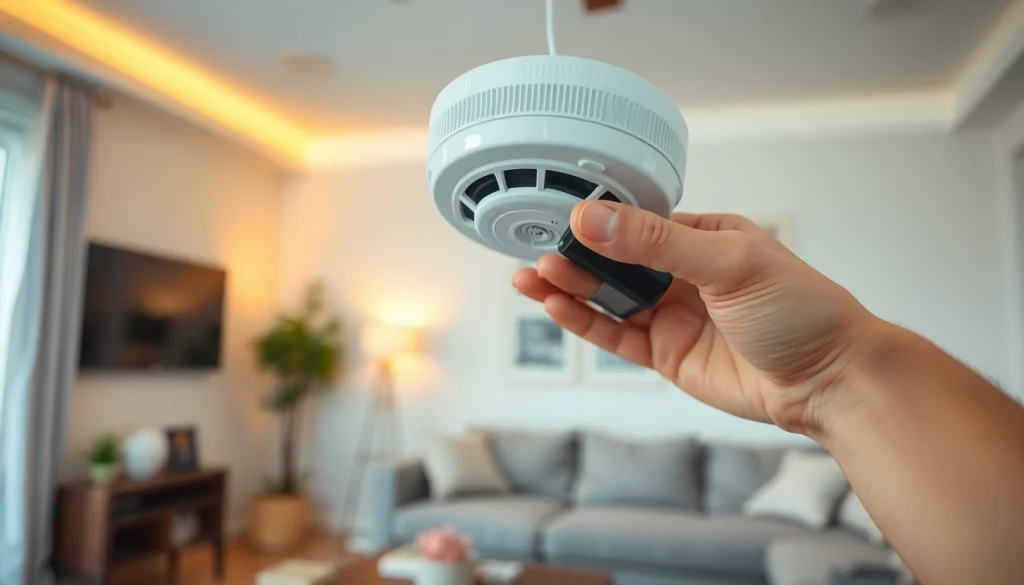
Understanding Smoke Detector Batteries
Smoke detectors are vital safety devices in our homes, serving as an early warning system against fires. However, the effectiveness of these life-saving devices heavily depends on the type and condition of the batteries they use. Investing time to understand smoke detector batteries can enhance your home safety. The focus of this article rests particularly on the smoke detector battery, its upkeep, and its critical role in home safety.
Types of Smoke Detector Batteries
Smoke detectors typically run on two primary types of batteries: 9-volt alkaline batteries and lithium-ion rechargeable batteries. These batteries can fit different smoke detector models and understanding their particularities can help you choose the right one for your device.
- 9-Volt Alkaline Batteries: These are the most commonly used batteries in smoke detectors. They offer good reliability and are readily available, making them an economical choice. The downside is that they need to be replaced more often, usually every 6 to 12 months.
- Lithium-Ion Rechargeable Batteries: Many modern smoke detectors now feature lithium-ion rechargeable batteries that can last up to 10 years. Although they are more expensive upfront, they eliminate the need for frequent battery replacements, providing long-term convenience.
How Often to Replace Your Smoke Detector Battery
According to the National Fire Protection Association (NFPA), it’s essential to replace smoke detector batteries at least once a year. However, some experts recommend changing them twice a year alongside daylight saving time changes. If you use units with non-removable lithium batteries, remember that these should be replaced according to the manufacturer’s guidelines, typically every 10 years.
Signs Your Smoke Detector Battery Needs Replacement
It’s crucial to be aware of signals that indicate your smoke detector battery might be nearing the end of its life. Here are some common signs:
- Chirping Sound: A frequent chirping sound from your smoke detector serves as a warning that the battery needs to be replaced.
- Malfunction Alerts: Some smoke detectors come equipped with lights or display messages indicating low battery levels.
- Age of the Battery: If you cannot recall when the battery was last replaced, it’s best to err on the side of caution and replace it.
Benefits of Regular Smoke Detector Battery Maintenance
Regular maintenance of smoke detector batteries is not merely a formality; it provides significant safety and financial benefits. Below are key advantages:
Improved Home Safety Statistics
Maintained smoke detectors can substantially reduce the risk of fatalities in case of a fire. According to the NFPA, three out of five home fire deaths occur in homes without working smoke alarms. Regular battery replacement ensures that the alarm will function accurately in instances of emergency, making a compelling case for diligent battery maintenance.
Minimizing Risks of Fire Hazards
Fires can ignite quickly and spread rapidly, making a functioning smoke detector indispensable. Regular battery checks and replacements mitigate the risks associated with false alarms and improve responsiveness during actual fire incidents, thereby safeguarding lives and properties.
Cost Savings Through Preventive Measures
Investing a small amount of time and money in smoke detector battery maintenance can yield significant savings. Neglecting smoke detector upkeep can lead to more costly consequences if a fire occurs—potentially resulting in property damage and loss of life. Routine checks can thus prevent these unfortunate scenarios.
How to Replace Your Smoke Detector Battery
Replacing the battery in your smoke detector is a straightforward process that anyone can master with a little guidance. Here’s a step-by-step guide:
Step-by-Step Replacement Process
- Check the Power: Ensure that the smoke detector is switched off before beginning the replacement.
- Open the Unit: Most smoke detectors can be opened by twisting or sliding the battery compartment.
- Remove the Old Battery: Gently take out the discharged battery, noting its orientation for the new battery.
- Insert the New Battery: Place the new battery in the compartment, ensuring it is positioned correctly.
- Close the Unit: Securely cover the battery compartment, ensuring a tight fit to avoid any dust entry.
- Test the Alarm: Once the battery is replaced, press the test button to ensure it is working properly.
Tools and Safety Gear You Might Need
While replacing a smoke detector battery often does not require specialized tools, having a few items on hand can make the process smoother:
- Non-conductive ladder or step stool: To safely reach smoke detectors mounted high on ceilings.
- Gloves: For protection against dirt or battery acid residues.
- Flashlight: To illuminate dark spaces, especially if the battery compartment is in a dimly lit area.
Common Mistakes to Avoid When Replacing Batteries
While replacing smoke detector batteries is simple, there are common pitfalls to avoid:
- Using the Wrong Type of Battery: Always check your smoke detector’s specifications to ensure compatibility with the battery type you purchase.
- Neglecting to Test: Always test the smoke detector after replacing the battery to ensure it is operational.
- Ignoring the Installation Date: Even with a new battery, if the smoke detector itself is too old (generally older than 10 years), it should be replaced entirely.
FAQs About Smoke Detector Batteries
Can I Use Rechargeable Batteries?
Using rechargeable batteries in smoke detectors is generally not recommended unless the smoke detector is specifically designed for them. Always verify the manufacturer’s instructions before substituting battery types.
What to Do if My Smoke Detector is Chirping?
If your smoke detector begins to chirp, it usually indicates a low battery or a malfunction. Take these steps: first, try replacing the battery. If the chirping persists, consult the user manual or consider contacting a professional for repair or replacement.
Are There Smart Smoke Detectors Available?
Yes, smart smoke detectors are gaining popularity and integrate with home automation systems. These devices can send alerts to your smartphone, allowing for remote monitoring and increased peace of mind.
Conclusion: Prioritizing Home Safety
Recap of Key Maintenance Tips
To summarize the key points raised in this article, ensuring that your smoke detector batteries are regularly maintained is essential for home safety. Remember to replace batteries yearly, observe signs of battery life expiration, and keep your smoke detectors functioning correctly.
Encouragement for Safety Habits
Establishing a routine for smoke detector maintenance not only protects your family and property but also fosters a culture of safety in your home. Encourage family members to participate in regular checks.
Resources for Further Information
For further information on smoke detector maintenance and safety regulations, visiting authoritative resources such as the National Fire Protection Association (NFPA) or your local fire department’s website can provide valuable guidance.




More Stories
Upgrade Your Space with a Stylish Corner Shower Enclosure
Expert Roof Cleaning in 2025: Transform Your Home’s Curb Appeal