
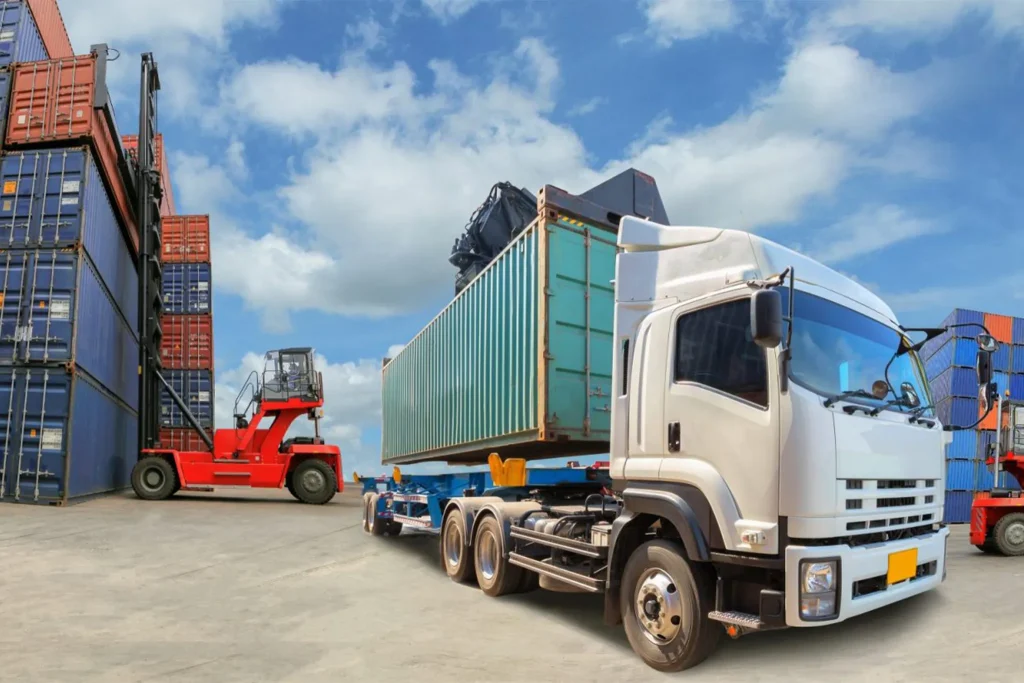
1. Overview of Transportation Systems
Transportation plays an integral role in the functioning of modern society, impacting everything from economic growth to social interaction. Understanding the various facets of transportation systems allows us to appreciate how interconnected our world is. This section will explore what transportation is, the different modes available, and their importance in today’s world.
1.1 What is Transportation?
Transportation refers to the movement of people, goods, and animals from one location to another through various means. It encompasses a wide range of methods, including land, water, air, and space transport. The primary purpose of transportation is to facilitate mobility and ensure the efficient transfer of resources and services. From ancient times, when simple paths and boats were utilized, to today’s sophisticated transit networks, transportation has continuously evolved to meet the demands of society.
1.2 Types of Transportation Modes
Transportation can be categorized into several modes, each with distinct characteristics and applications:
- Land Transportation: This includes road (cars, buses, trucks) and rail (trains, subways) systems. Land transport is often the most flexible, allowing for door-to-door service.
- Water Transportation: Boats and ships are used for travel and freight transport across rivers, lakes, and oceans. This mode is particularly efficient for bulk goods, thanks to its high carrying capacity.
- Air Transportation: Airplanes and helicopters are used to move people and cargo quickly over long distances. Air transport has revolutionized global trade and travel, significantly reducing travel times.
- Space Transportation: While still in the early stages compared to other modes, vehicles such as rockets are used to transport equipment and humans beyond Earth. This mode is vital for future exploration and commerce in space.
1.3 Importance of Transportation in Modern Society
The importance of transportation cannot be overstated. It underpins economic development, supports trade, and enhances quality of life. The following points illustrate its significance:
- Economic Development: Efficient transportation systems boost trade and make it possible to move goods swiftly, stimulating economic growth.
- Access to Resources: Transportation allows communities to access essential resources, healthcare, education, and employment opportunities, thereby improving their living standards.
- Social Integration: Transportation fosters social interaction by connecting communities, facilitating cultural exchange, and enabling travel.
2. The Economic Impact of Transportation
The transportation sector is a cornerstone of the economy, impacting trade, job creation, and infrastructure investments.
2.1 Transportation and Trade
Transportation is the backbone of international trade, enabling the seamless flow of goods and services across borders. Improved logistics and transport networks enhance market access for local producers and consumers, leading to increased competition and better prices. Efficient transportation systems also reduce shipping times and costs, further boosting trade volumes. A study from the World Bank noted that a 10% reduction in logistics costs can result in a 20% increase in trade volumes.
2.2 Job Creation in the Transportation Sector
The transportation industry is a major employer globally, providing jobs in various fields such as logistics, engineering, and operations. According to data from the U.S. Bureau of Labor Statistics, the transportation and warehousing sector employed over 5 million people in 2020, with continued growth expected due to rising demands for services. Job opportunities exist at every skill level, making transportation a vital component of workforce development.
2.3 Infrastructure Investments and Their Returns
Investments in transportation infrastructure, such as roads, bridges, and transit systems, yield substantial returns for communities and economies. The American Society of Civil Engineers (ASCE) reports that for every $1 billion spent on transportation infrastructure, approximately 13,000 jobs are created. Moreover, well-maintained transportation networks reduce vehicle operating costs, greenhouse gas emissions, and accident rates, contributing to overall societal well-being.
3. Challenges in Transportation
Despite its vital role, the transportation sector faces numerous challenges that need to be addressed effectively.
3.1 Traffic Congestion and Its Solutions
Traffic congestion is a pervasive problem in urban areas, resulting in wasted time, increased fuel consumption, and heightened stress levels for commuters. Solutions to mitigate traffic congestion include:
- Congestion Pricing: Implementing tolls during peak hours can deter unnecessary trips and encourage carpooling or the use of public transport.
- Improving Public Transit: Expanding and enhancing public transportation options, such as bus rapid transit systems and light rail, can reduce reliance on personal vehicles.
- Smart Traffic Management: Utilizing technology to manage traffic flows through adaptive signals and real-time information can improve the efficiency of road networks.
3.2 Environmental Concerns Related to Transportation
The transportation sector is a significant contributor to greenhouse gas emissions, leading to environmental degradation and climate change. Reducing this impact involves:
- Promoting Sustainable Practices: Encouraging the use of public transport, carpooling, and cycling can significantly reduce per capita emissions.
- Investment in Electric Vehicles (EVs): Transitioning to electric and hybrid vehicles can minimize emissions from fossil-fuel-powered transport.
- Sustainable Urban Planning: Designing cities to promote walkability and easy access to public transit reduces the need for vehicles.
3.3 Accessibility Issues in Transportation Systems
Accessibility is a critical concern, particularly for individuals with disabilities or limited mobility. To enhance accessibility in transportation systems, it is essential to:
- Implement Universal Design: Ensuring infrastructure, vehicles, and technologies are designed to be accessible to all users, regardless of their physical abilities.
- Promote Inclusive Policies: Governments should implement policies that guarantee equal access to public transportation for all demographics.
- Increase Awareness and Training: Provide training for transportation staff to assist those with varying needs effectively.
4. Innovations in Transportation
Technological advancements are reshaping the transportation landscape, leading to increased efficiency, safety, and sustainability.
4.1 The Role of Technology in Improving Transportation
Technology plays a crucial role in enhancing the efficiency and safety of transportation systems. Examples include:
- Automated Traffic Management Systems: These utilize real-time data to optimize traffic light patterns and reduce congestion.
- Mobile Applications for Transportation: Apps like ride-sharing and navigation tools help users make informed travel decisions while improving overall system efficiency.
- Data Analytics: Utilizing big data and analytics helps transportation agencies predict travel patterns and optimize services based on demand.
4.2 Electric and Autonomous Vehicles
Electric vehicles (EVs) are becoming increasingly popular due to their environmental benefits and lower operating costs. Additionally, autonomous vehicles promise to revolutionize how we travel:
- Reduction in Traffic Accidents: Autonomous vehicles can potentially reduce accidents caused by human error, enhancing overall road safety.
- Efficiency in Energy Use: EVs and autonomous systems can optimize travel routes, decreasing energy consumption.
- Enhanced Mobility: Autonomous vehicles can improve accessibility for those unable to drive, such as the elderly and disabled.
4.3 Future Trends in Public Transit Systems
Public transportation is evolving to meet the needs of modern cities. Key trends include:
- On-demand Services: Flexible transit options that adjust to user demand, allowing for more personalized and efficient travel experiences.
- Integration of Mobility Services: Seamless connectivity between different modes of transport, creating a comprehensive mobility ecosystem.
- Green Transport Initiatives: Increasing investment in renewable energy sources and sustainable technologies within public transit systems.
5. Transportation Policies and Regulations
Effective governance and regulation are essential for ensuring safe, efficient, and sustainable transportation systems.
5.1 Understanding Transportation Governance
Transportation governance involves a complex framework of policies, regulations, and agencies at various levels. Key aspects include:
- Federal, State, and Local Roles: Understanding the roles and responsibilities of each level of government in regulating transportation systems is crucial for effective policy implementation.
- Public-Private Partnerships: Collaborations between governmental bodies and private entities can enhance innovation and funding in transportation projects.
5.2 Key Regulations Affecting Transportation
Various regulations shape transportation systems, including safety laws, environmental regulations, and industry standards. Compliance is vital for ensuring public safety and protecting the environment:
- Safety Standards: Regulations ensure that vehicles and infrastructure meet safety requirements to protect passengers and operators.
- Environmental Compliance: Policies aimed at reducing emissions and enhancing energy efficiency are key to promoting sustainable transportation.
5.3 Advocacy for Sustainable Transportation Policies
Advocating for environmentally friendly transportation policies is crucial for addressing climate change and promoting public health. Strategies include:
- Community Engagement: Involving local communities in transportation planning ensures that services meet their needs and supports better public buy-in.
- Funding for Green Initiatives: Government and private funding should prioritize sustainable transportation projects, such as electric public transport fleets.