
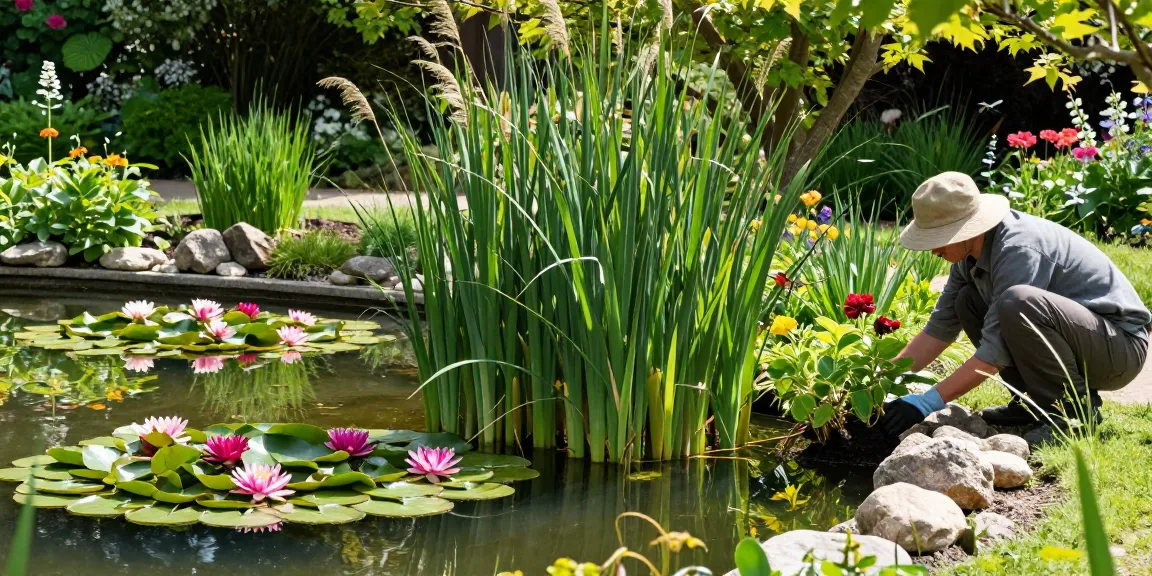
The Importance of British Pond Plants
Pond plants play a crucial role in aquatic ecosystems, especially in British gardens where they contribute to biodiversity, enhance aesthetics, and promote healthy water conditions. Understanding the significance of British Pond Plants is essential for anyone looking to create or maintain a thriving pond environment. These plants not only beautify your garden but also provide vital habitats and food for various wildlife, creating a balanced ecosystem.
What Are British Pond Plants?
British pond plants are native species that thrive in the UK’s climate and aquatic conditions. These plants can be broadly classified into several categories, including submerged, emergent, and floating plants. Each category plays a unique role in the ecosystem of a pond:
- Submerged plants, such as Hornwort and Water Starwort, grow entirely underwater and are essential for oxygenating the water.
- Emergent plants, like Bulrush and Cattails, grow partially above water. They provide habitat for wildlife and help stabilize pond banks.
- Floating plants, such as Water Lilies and Duckweed, float on the water surface, offering shade and reducing algae growth by limiting sunlight penetration.
Benefits of Incorporating Pond Plants in Your Garden
Integrating British pond plants into your garden offers numerous benefits:
- Biodiversity Boost: By attracting various insects, birds, and other wildlife, you enrich your garden’s biodiversity.
- Water Quality Improvement: Many pond plants filter pollutants and toxins from the water, contributing to a healthier ecosystem.
- Aesthetic Appeal: The visual variety provided by different species enhances the beauty of your garden, making it a more enjoyable space for relaxation.
- Natural Pest Control: Some plants can deter harmful pests and diseases, reducing the need for chemical treatments.
Common Challenges with British Pond Plant Maintenance
While incorporating British pond plants offers many advantages, maintenance can pose challenges:
- Seasonal Changes: Different plants have specific seasonal requirements, necessitating careful planning and care throughout the year.
- Algae Growth: Overgrowth of algae can compete with your plants for resources, requiring timely management strategies.
- Water Levels: Fluctuating water levels can stress plants, making it essential to monitor and manage water conditions effectively.
Choosing the Right British Pond Plants for Your Environment
Assessing Your Pond’s Conditions
Before selecting plants, assess your pond’s specific conditions, including water depth, sunlight exposure, and soil type. For example, shallow ponds with full sunlight may favor a different selection of plants than deeper, shaded ones. Understanding these factors is vital in choosing the right species that will thrive in your environment.
Popular Types of British Pond Plants
Some popular British pond plants include:
- Marsh Marigold: A vibrant spring bloomer that prefers wet soil.
- Common Reed: An excellent emergent plant that grows well in shallow water.
- Water Mint: A fragrant addition that thrives in damp areas and attracts pollinators.
- Water Lily: A classic floating plant known for its large, beautiful flowers.
Combining Plants for Aesthetic Appeal
To create an engaging and dynamic pond environment, consider combining different types of pond plants. For example, pairing tall emergent species with low-growing submerged plants can create a layered aesthetic while also providing diverse habitats for wildlife.
Additionally, adding flowering species can enhance color variation, making your pond visually appealing throughout different seasons.
How to Successfully Plant British Pond Plants
Preparation: Soil and Location Considerations
Proper preparation is essential for the successful planting of British pond plants. Begin by evaluating the soil composition and ensuring it is suitable for aquatic plants. The soil should ideally retain moisture, providing a stable environment for roots to establish.
Step-by-Step Planting Guide
- Gather Your Supplies: Depending on the plant type, you may need planting baskets, aquatic soil, and weights.
- Planting Depth: Ensure plants are placed at the correct depth—submerged plants should be fully submerged, while emergent plants should be positioned so their roots are submerged but their tops are above water.
- Spacing: Space plants appropriately to prevent overcrowding, which can lead to competition for nutrients.
- Cover with Soil: Use aquatic soil to fill in around the roots, ensuring the plant is secure.
Watering and Initial Care Tips
After planting, ensure that your pond plants receive adequate care.
- Maintain consistent water levels to promote growth.
- Monitor the pond’s water quality regularly to ensure a healthy environment.
- In the early stages, protect young plants from strong currents or predation.
Maintaining Your British Pond Plant Ecosystem
Seasonal Care Techniques for Long-lasting Health
Seasonal care is crucial for the longevity and health of your pond plants:
- Spring: This is the best time to introduce new plants and remove any debris from the pond.
- Summer: Regularly monitor for algae growth and manage it promptly.
- Autumn: Trim back dead foliage to prepare plants for winter.
- Winter: Some plants will die back, but ensure the water remains stable to protect the roots.
Pest Management and Disease Prevention
Common pests affecting pond plants include snails, aphids, and various aquatic insects.
- Regularly inspect your plants for signs of infestations.
- Encourage beneficial insects like ladybugs to manage pest populations naturally.
- Use organic remedies, such as neem oil, to treat infestations without harming the aquatic environment.
Evaluating Plant Growth and Adjusting Care
Regular evaluation of your pond plants’ growth will tell you if adjustments are needed. Look for stunted growth or discoloration, which can indicate nutrient deficiencies or water quality issues. Consider remedial actions such as fertilization or changing water sources if problems arise.
Future Trends in British Pond Gardening
Innovative Techniques for Sustainable Gardening
As environmental awareness grows, sustainable gardening practices are becoming more significant. Techniques such as permaculture and the use of native plants are gaining traction, allowing you to create resilient and self-sustaining ecosystems.
Digital Tools for Pond Maintenance in 2026
The future of pond gardening may involve digital solutions that help monitor water quality and plant health through sensor technologies and mobile applications. These tools can provide real-time feedback, making it easier to maintain optimal conditions for your pond plants.
Community Involvement: Shared Success Stories
Community gardens and local gardening clubs are excellent resources for sharing knowledge and experiences about British pond plants. Participating in local events can also foster a sense of community and encourage the exchange of plant cuttings and techniques among garden enthusiasts.
What are the best British pond plants for beginners?
For those just starting, some easy-to-care-for British pond plants include Water Lilies, Marsh Marigold, and Yellow Flag Iris. These plants are well-adapted and offer a good introduction to the wonders of pond gardening.
How do I maintain my pond plants throughout the seasons?
To maintain pond plants throughout the seasons, adopt seasonal care routines. Regularly monitor water levels, clear debris, and adjust care based on flowering cycles and growth patterns.
What are the most common pests affecting pond plants?
Common pests affecting pond plants include aphids, snails, and aquatic beetles. Implementing a natural pest control strategy can help manage these issues effectively.
Can I mix different types of pond plants together?
Yes, mixing different types of pond plants can enhance biodiversity and create a more visually appealing pond. Just be cautious about the growth habits of each plant species to prevent overcrowding.
How do I create a balanced ecosystem in my garden pond?
Creating a balanced ecosystem involves selecting a variety of plants that serve different functions, maintaining water quality, and encouraging wildlife to visit your pond. This holistic approach fosters a vibrant and healthy aquatic environment.